Radio Control 99.4FM is Palmerston North's student radio station, broadcasting from Massey University since 1981. Founded as Masskeradio — New Zealand's first commercial student radio — the station launched the careers of Steven Joyce (RadioWorks, National MP, Minister of Finance) and helped shape the Manawatū alternative music scene across four decades.
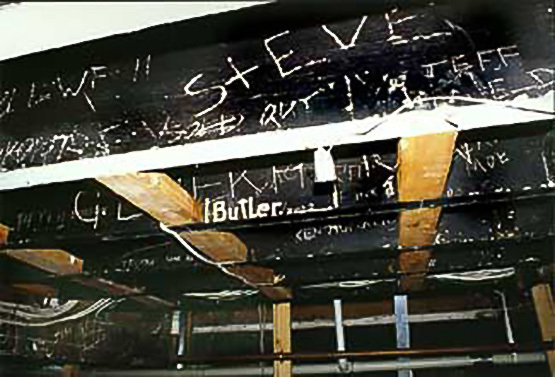
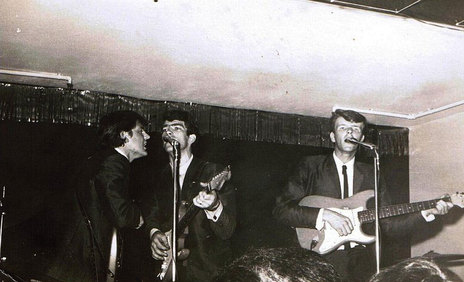
The Stage Door was a basement club in Hereford Lane, central Christchurch, that ran from 1964 to around 1968 under three names — King Bee Koffee Kellar, Stage Door, and Ram Jam Club. Home to Chants R&B and the city’s mod underground, it was Christchurch’s answer to the Cavern Club, and the site of one of New Zealand’s most celebrated live recordings.
The Plainsman was a no-alcohol coffee lounge, steakhouse and music venue that operated from 1962 to 1972 at 110 Lichfield Street in central Christchurch. One of the city's most important musical venues of the beat era, it launched the careers of Ray Columbus, The Secrets, and Gary Thain — later of Uriah Heep — and hosted Dinah Lee, Chants R&B, and a young Johnny Farnham.
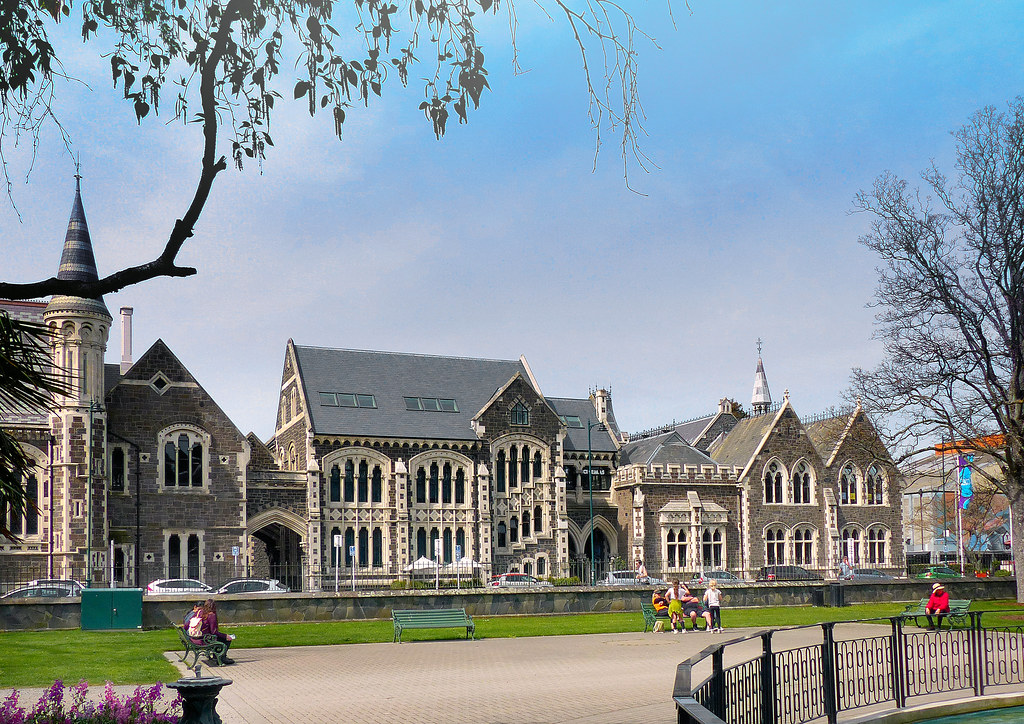
The Great Hall at the Christchurch Arts Centre is one of the oldest and most significant concert halls in Canterbury. Designed by Benjamin Mountfort in 1882 as College Hall for Canterbury College, it features Gothic Revival architecture with native timber panelling and a hammerbeam roof. Closed for earthquake restoration between 2011 and 2016, it reopened to international recognition and continues to host concerts, recitals, and events.
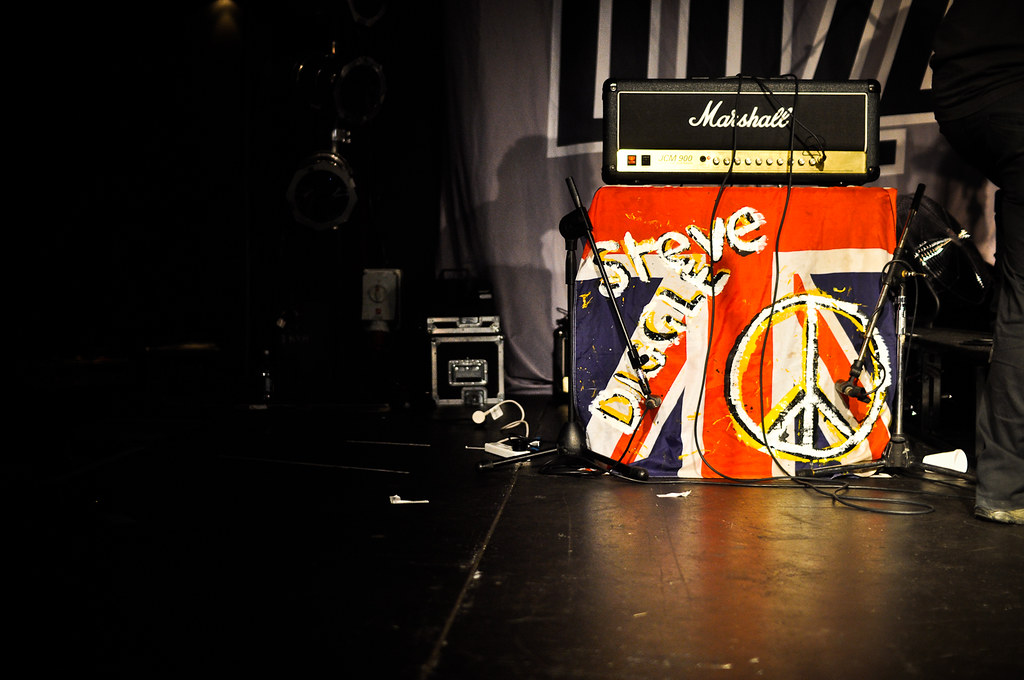
The Bedford was Christchurch's premier large-capacity live music venue of the 2000s, a converted warehouse on Lichfield Street capable of holding around 1,000 people. Demolished after the 2011 earthquake, it was kept alive through a series of marquee pop-up venues by owner Wendy Alfeld — earning national recognition for keeping live music alive in the city through years of disruption.
PseudoArcana is an underground experimental record label founded in Masterton, New Zealand around 2000 by sound artist Antony Milton. Operating primarily through limited-edition CD-R releases, the label has grown to more than 130 releases spanning experimental, drone, ambient, and avant-garde music, with a roster including Pumice, Seht, The Stumps, Purple Pilgrims, Paintings of Windows, and Peter Wright.
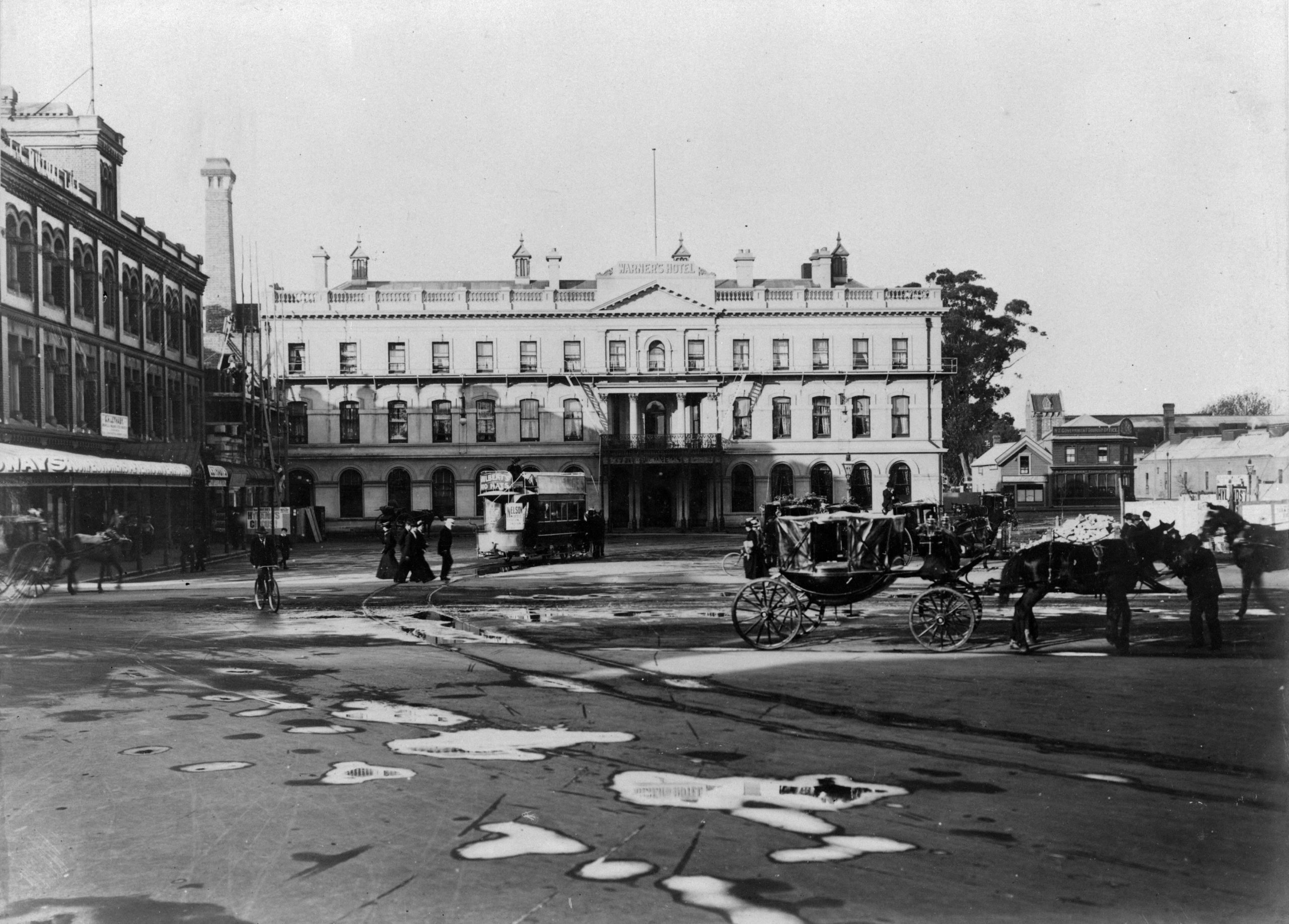
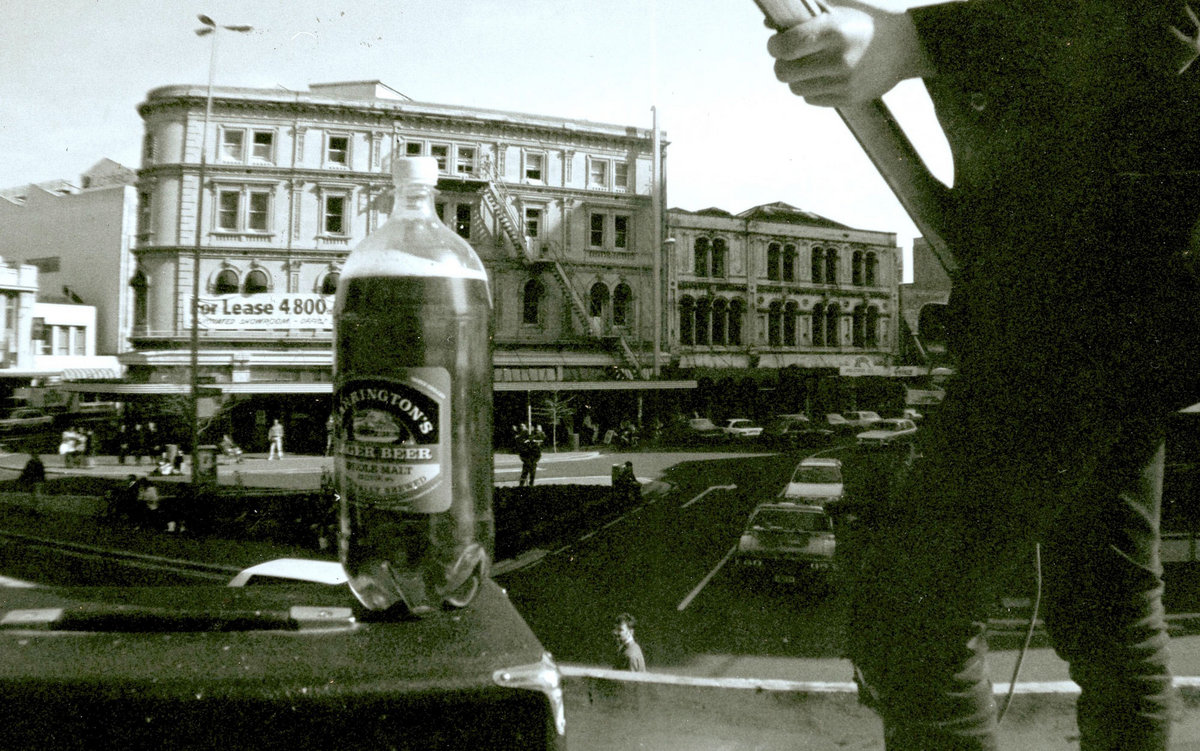
Warners Hotel at 50 Cathedral Square was one of Christchurch's most storied establishments, tracing its history from 1863 through to the February 2011 earthquake that led to its demolition. In the 1990s, its live music bar drew crowds of up to 800, hosting performances by Shihad, The Chills, Straitjacket Fits, Radiohead, and many of New Zealand's leading indie and rock acts.
Apoplexy was a Christchurch-based experimental and ambient record label founded in 1998 by Peter Wright, who had previously co-founded the kRkRkRk label. Active from 1998 to 2003, the label released 18 experimental and ambient productions before Wright relocated to London, with highlights including his debut LP, Distant Bombs (2002), and Pariahs Sing Om (2003).
Volcano Radio 88.5FM was a volunteer-run community radio station based at Shadbolt House in Lyttelton, broadcasting from February 2008 until October 2012 when its home was demolished following the Canterbury earthquakes. Founded by musician Carmel Courtney, it ran eighty shows commercial-free and was a vital part of Lyttelton's tight-knit arts community.
Dux Live was a purpose-built live music venue at 363 Lincoln Road in Addington, Christchurch, opened in December 2011 as the post-earthquake successor to the original Dux de Lux. Founded by Richard Sinke, the converted warehouse was fitted with a state-of-the-art KV2 sound system and operated as a dedicated live music space until 2016.
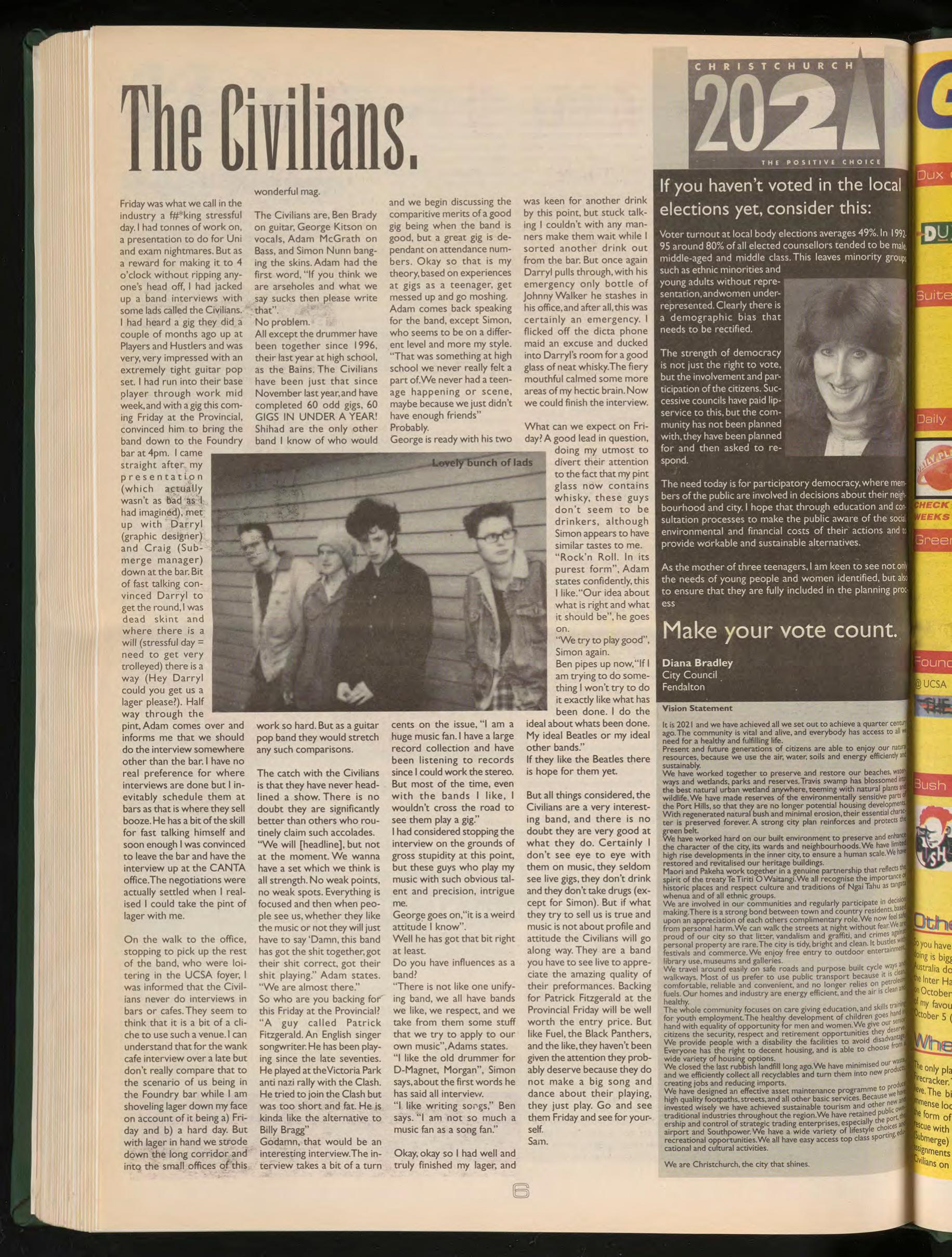
Players and Hustlers was a pool bar and live music venue at 96 Oxford Terrace on Christchurch's The Strip, hosting DJ nights, rock, and metal acts through the late 1990s — including a Judgement Day dance party in 1997, a Brutal Truth show in 1998, and performances by The Civilians and Gaia. The building previously housed the Player Tenpin Bowling Centre, largest in New Zealand in 1995. The venue was demolished following the 2011 Canterbury earthquakes; the site is now the Riverside Market.
Plains FM (later Plains Media) has broadcast on 96.9FM from Christchurch's Ara campus since 29 February 1988, serving Canterbury as one of New Zealand's twelve community access radio stations. Governed by the Canterbury Communications Trust and part-funded by NZ On Air, it produces over 100 programmes a week in 15 languages, representing communities largely absent from mainstream media. In April 2025, after 37 years, the station rebranded as Plains Media to reflect its expanded reach across digital platforms.
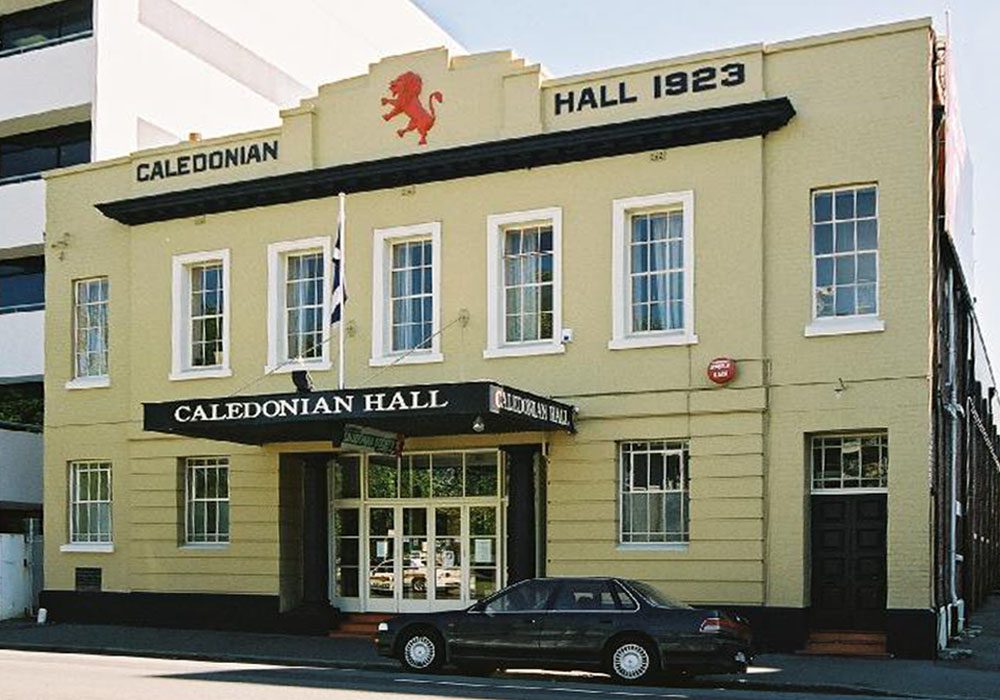
Canterbury Caledonian Society Hall at 135 Kilmore Street West, home of the Zodiac Lounge rock and pop dance venue in the 1960s. Hosted Faith No More, Fugazi, and Pavement in the 1990s. Damaged in the February 2011 earthquake and demolished in March 2011.
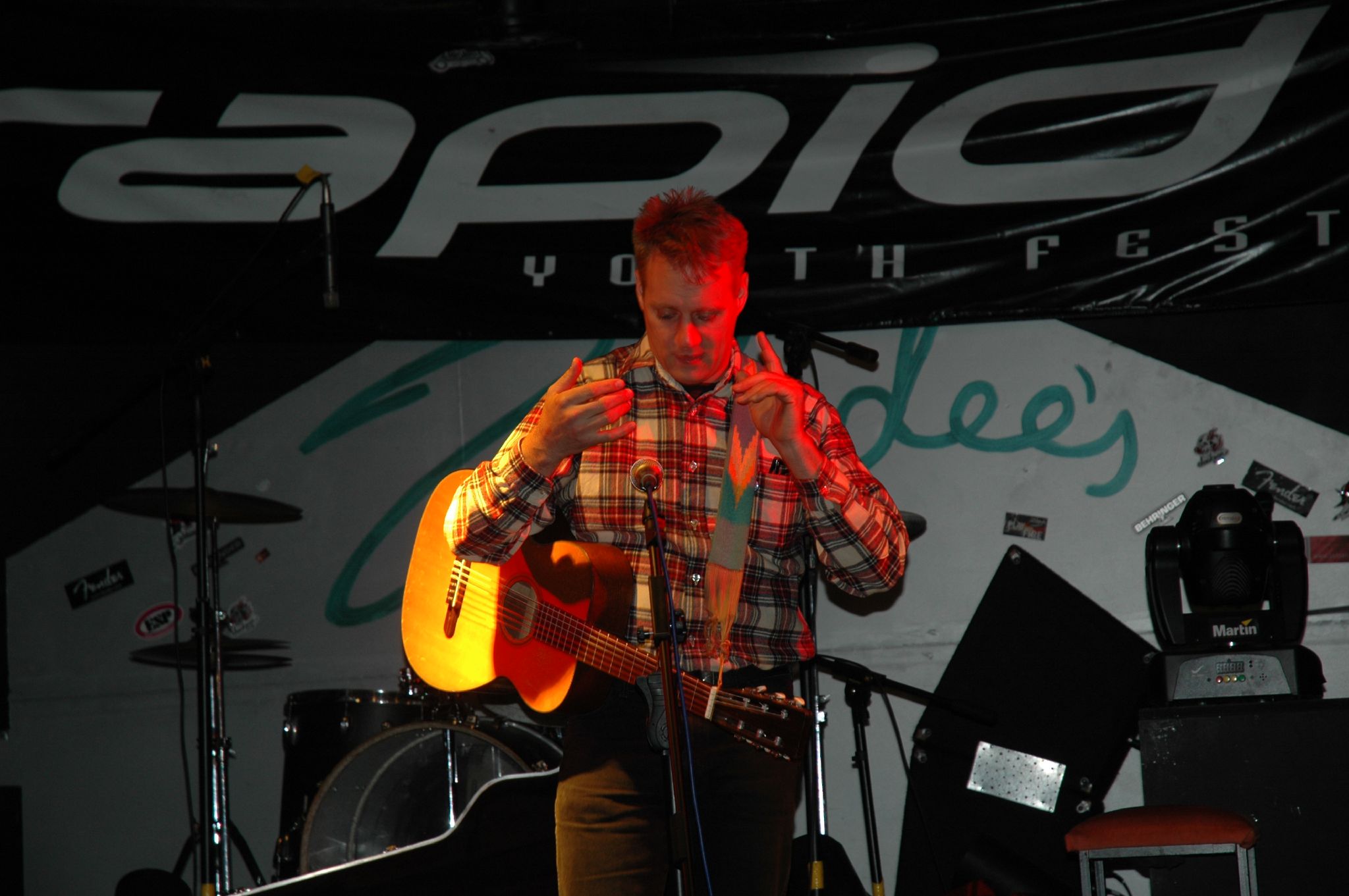
Zebedees was Christchurch's only all-ages, alcohol-free live music venue, operating from a 400-capacity hall at 479 Blenheim Road, Sockburn from approximately 1998 to 2014. Run by Steve and Jennie White as a charitable trust for sixteen years, it hosted hundreds of local and touring bands for teenage audiences and was widely regarded as one of the best youth music venues in the world.
kRkRkRk is a Christchurch experimental and industrial cassette label founded in 1992 by TMA-1 members James Robinson and Peter Wright. Operating on a DIY ethic, the label grew to over one hundred and thirty releases, documenting a generation of Christchurch underground artists across cassette and digital formats. After Wright moved to England in 2003, David Khan took over as label head, continuing as a portable studio engineer until health issues brought its active phase to a close.