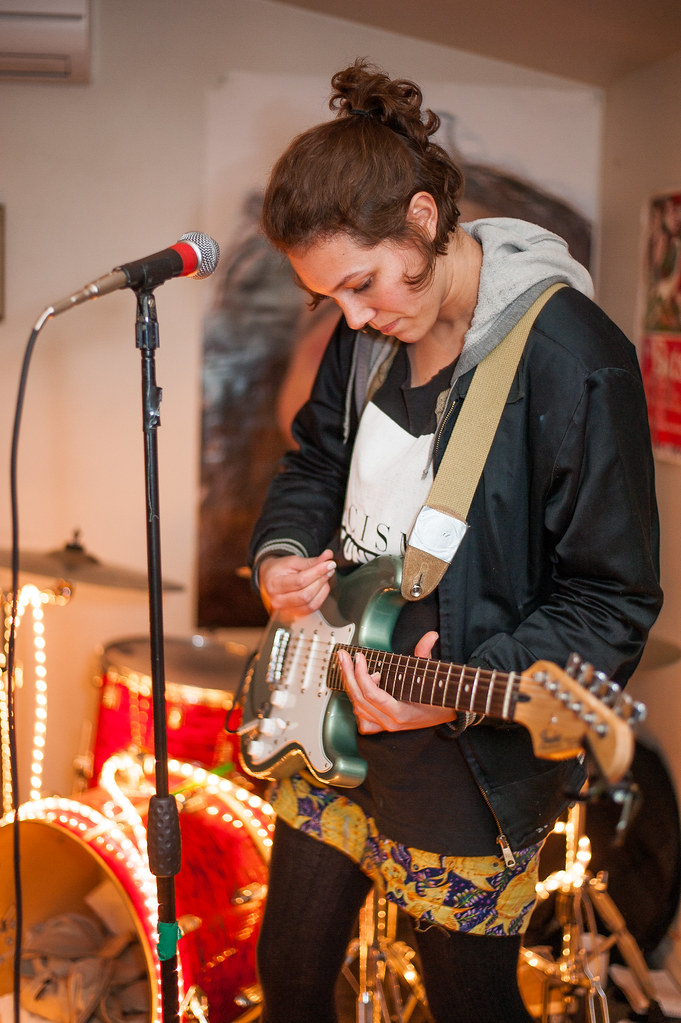
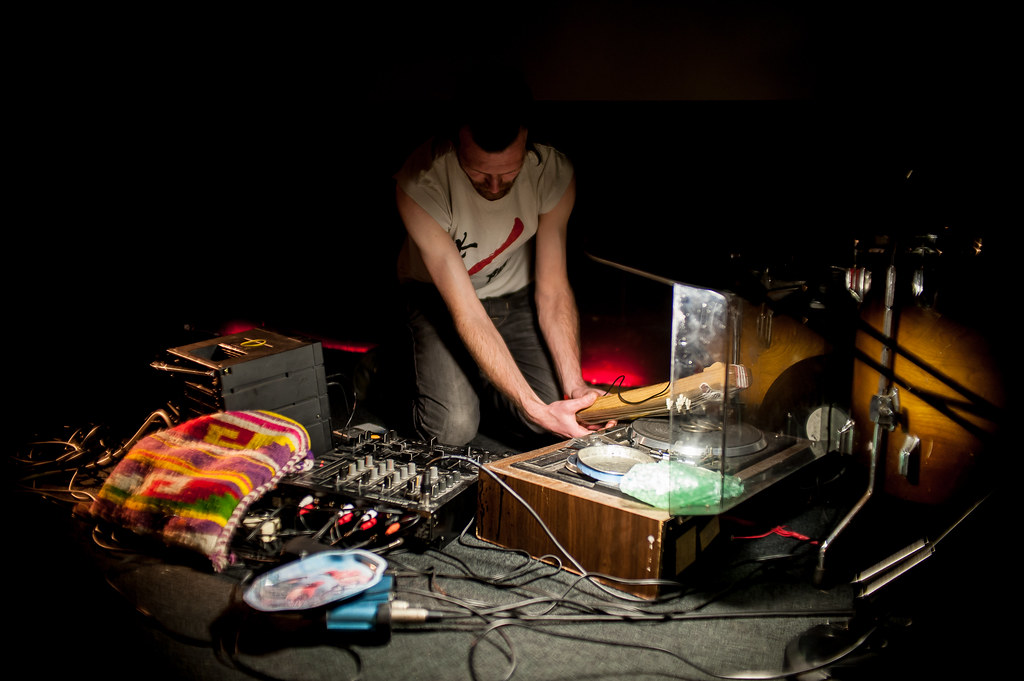
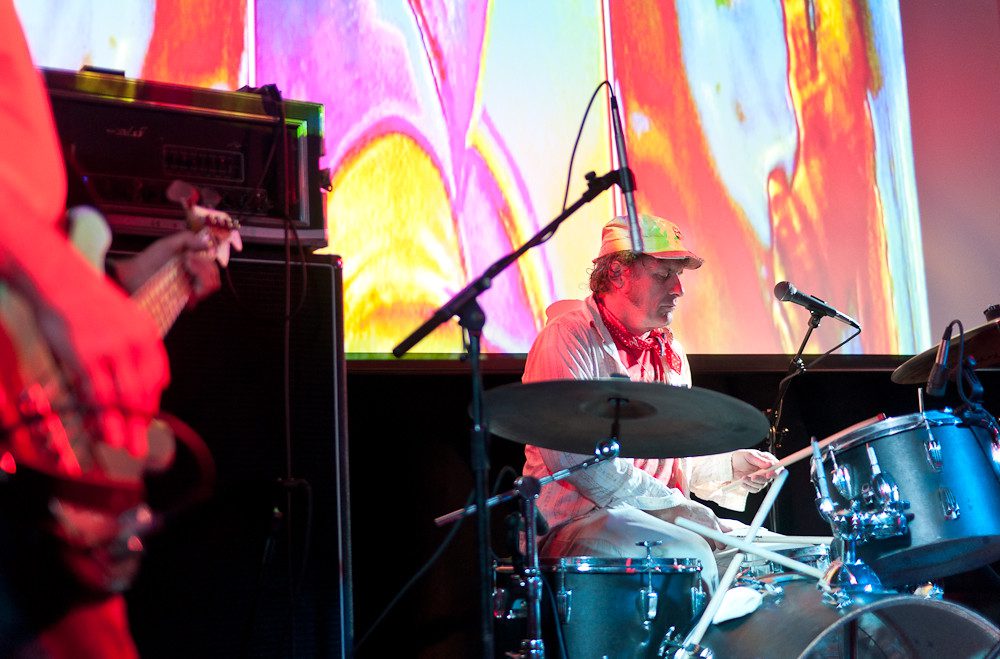
A DIY house party venue that operated from musician Brian Feary’s Richmond home between 2011 and 2017. London Street became a focal point of Christchurch’s post-earthquake underground scene, hosting all-ages shows from The Dance Asthmatics, Carb on Carb, X-Ray Charles, and others connected to the Melted Ice Cream label.
Radio Active 88.6FM (formerly 89FM) is Wellington's independent alternative radio station, founded in 1977 as Victoria University of Wellington's student station and named in protest against the visit of nuclear warship USS Truxton. Granted New Zealand's first FM licence in 1981, it became the second station in New Zealand to broadcast on FM on February 22, 1982. The station was the first to play Shihad and Head Like A Hole, launched New Zealand's first hip-hop show in 1983, released early Fat Freddy's Drop recordings on its own label, and ran the landmark One Love Waitangi Day festival. Rescued from closure in 2017 by a charitable trust, it continues to broadcast as New Zealand's longest-serving FM station.
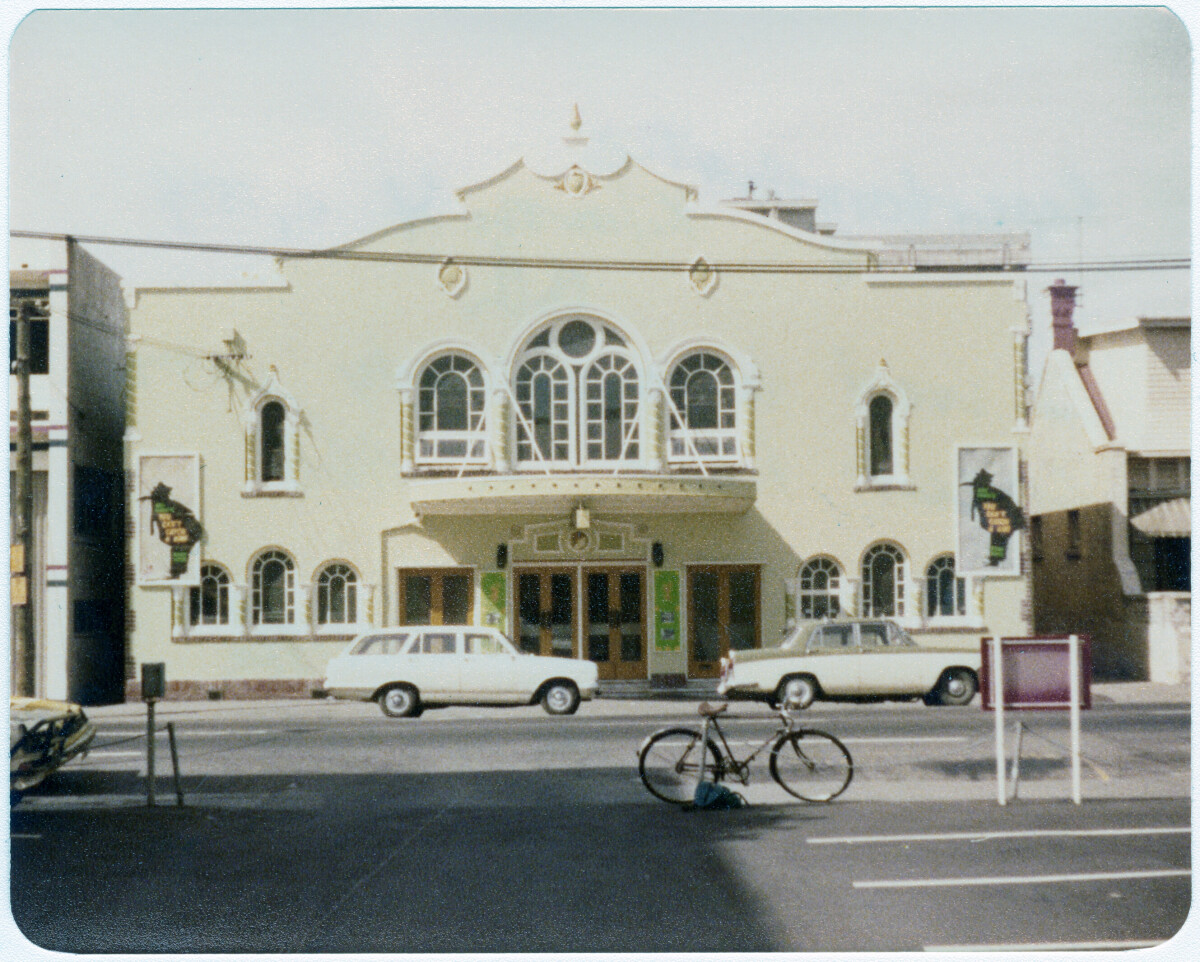
The Repertory Theatre at 146 Kilmore Street was one of Christchurch’s most architecturally distinctive interwar buildings, a 1929 Spanish Mission structure originally built as the Radiant Hall and later the home of the Canterbury Repertory Theatre Society for over eighty years. Demolished following the 2011 Canterbury earthquake, the building hosted decades of theatrical and musical life including productions directed by Ngaio Marsh and performances by leading Christchurch folk, jazz, and indie acts.
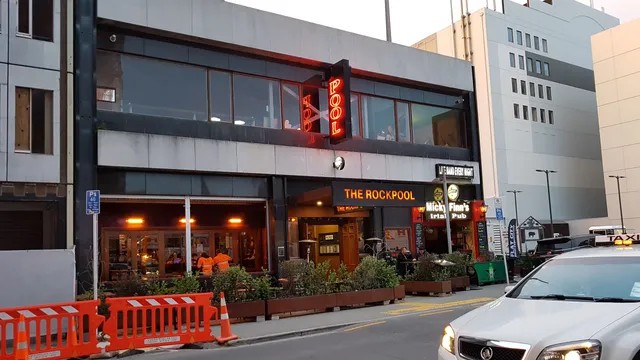
The Rockpool has been a fixture of Christchurch’s central city since 1995, operating as a pool hall on the ground floor and Micky Finn’s Irish Pub — a live music venue — on the first floor. Closed following the 2011 Canterbury earthquakes and reopened in 2015, it remains one of the few pre-earthquake CBD venues still trading, billing itself as the only pub in Central City.
Also known as: Tandem Recording Studios Location: Originally Colombo Street, Christchurch Central; later 78 Oxford Terrace, Christchurch Central Active: 1974–present (recording studio 1974–c.2000s; media…
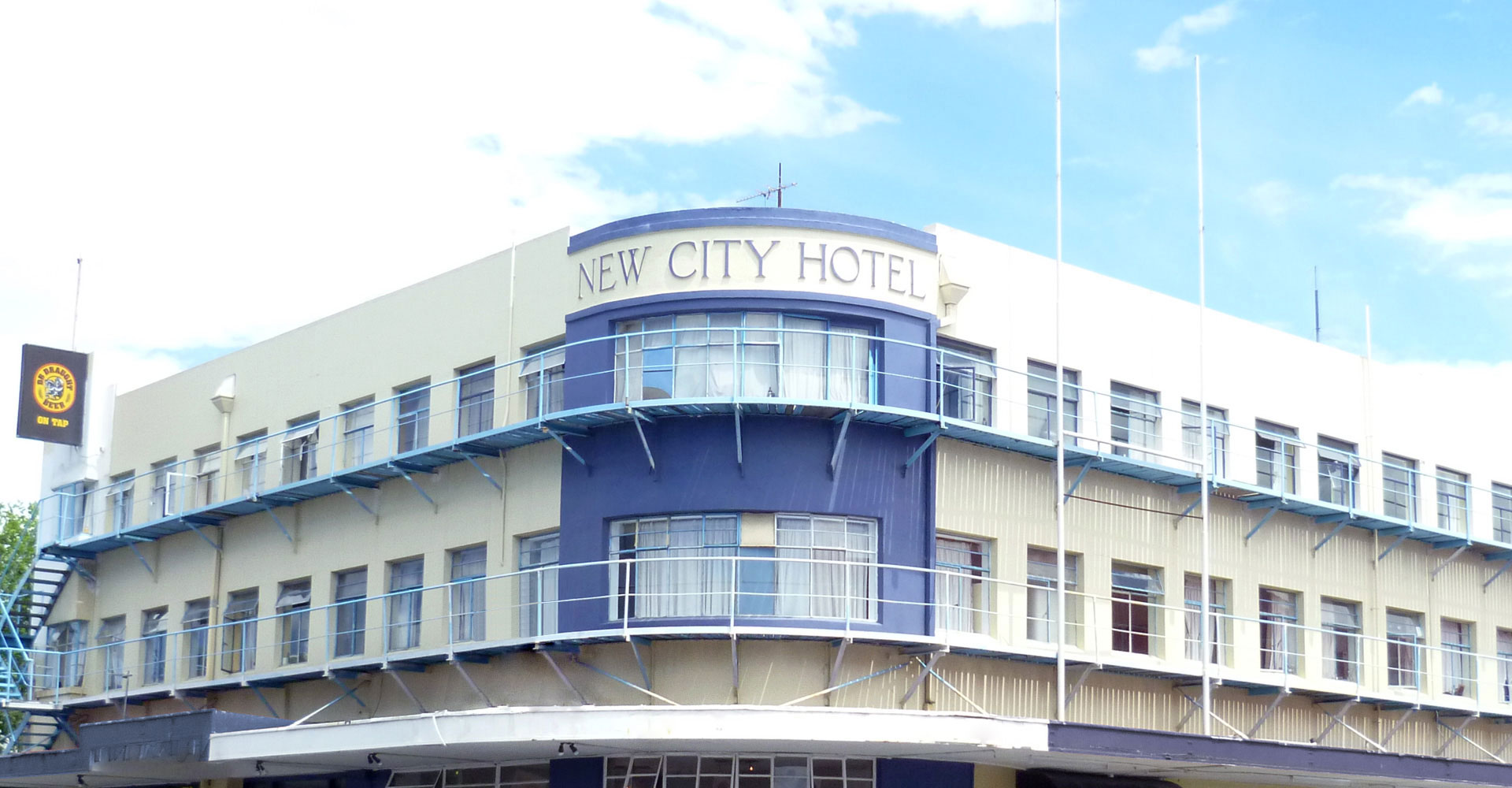
The New City Hotel at 527 Colombo Street has operated continuously in Christchurch since 1930, when Ballin Brothers commissioned architect John Steele Guthrie to design a Moderne-style building to house a liquor licence dating back to 1864. A survivor of the 2010–2011 Canterbury earthquakes, it remains the last traditional hotel operating in Christchurch's CBD and continues as a live music and entertainment venue.
Channel Z launched on 99.3FM in Christchurch in August 1999, bringing alternative rock and New Zealand music to a city that had few non-mainstream options on the dial. Its two years of local programming — Willy Macalister on days, Melanie Wise on nights — gave Christchurch a genuine alternative voice before the network consolidated all content from Auckland in 2001. The station became Kiwi FM in 2005 and was relaunched as a Christchurch online stream in 2019.
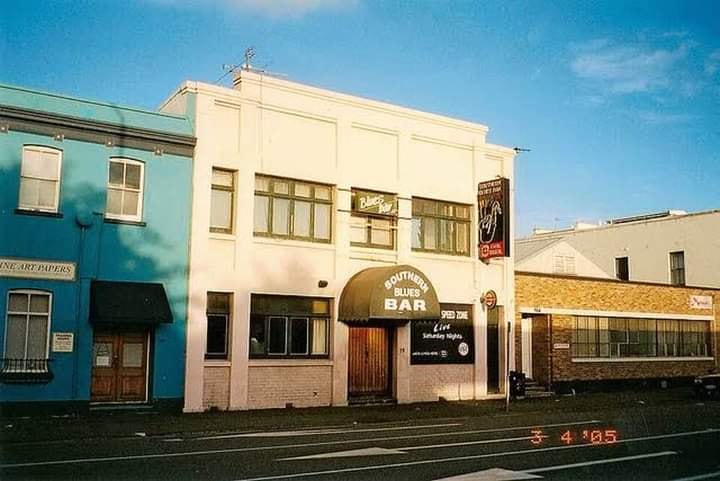
The Southern Blues Bar at 198 Madras Street was a beloved Christchurch institution that grew from a musicians' club founded in the 1980s into one of the city's most distinctive live music venues. With a 24-hour licence and a clientele that ranged from bikies to librarians, it hosted international blues legends alongside a thriving local jam scene before being demolished in December 2010 following the September earthquake.
New Zealand's only dedicated tertiary jazz school, founded in 1991 at the Christchurch Polytechnic Institute of Technology by Neill Pickard. Now operating as Ara Music Arts at 130 High Street, Christchurch, offering a Bachelor of Music Arts through the Ara Institute of Canterbury.
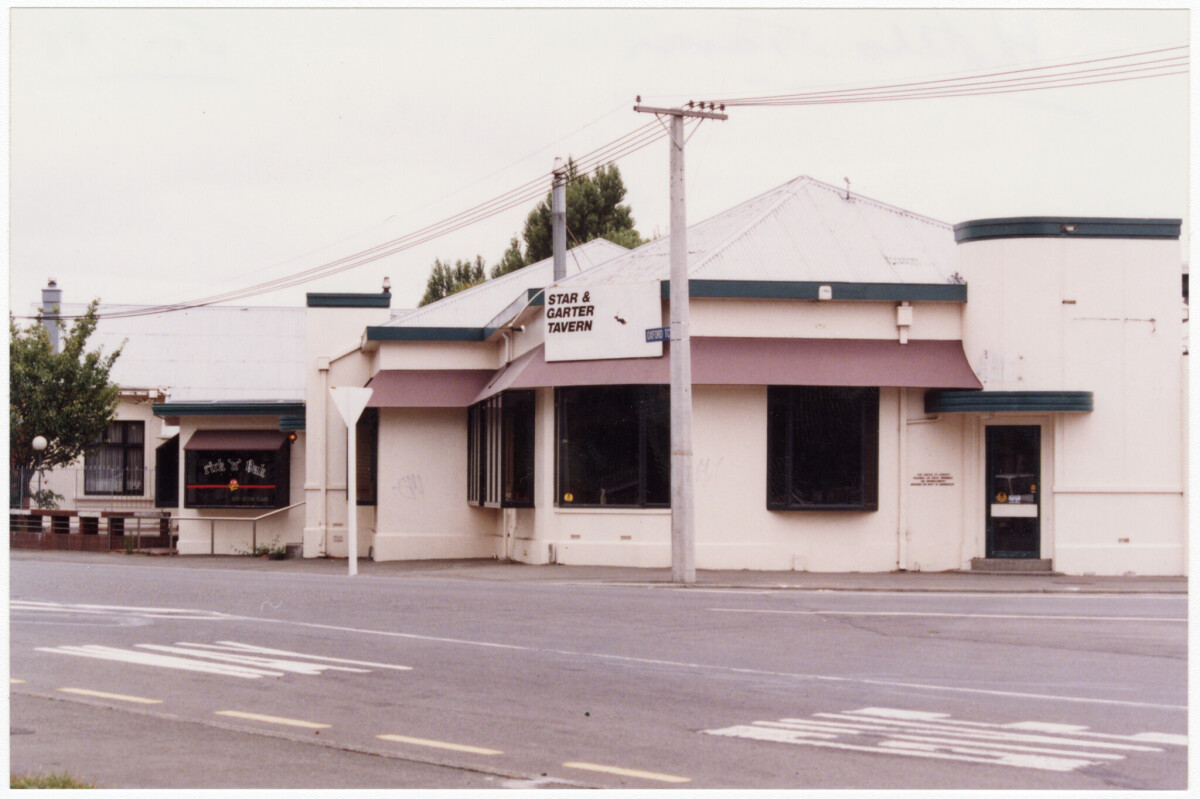
The Star and Garter Tavern was a long-running Christchurch pub on Oxford Terrace, demolished following earthquake damage sustained in the 2010–2011 Canterbury earthquake sequence.
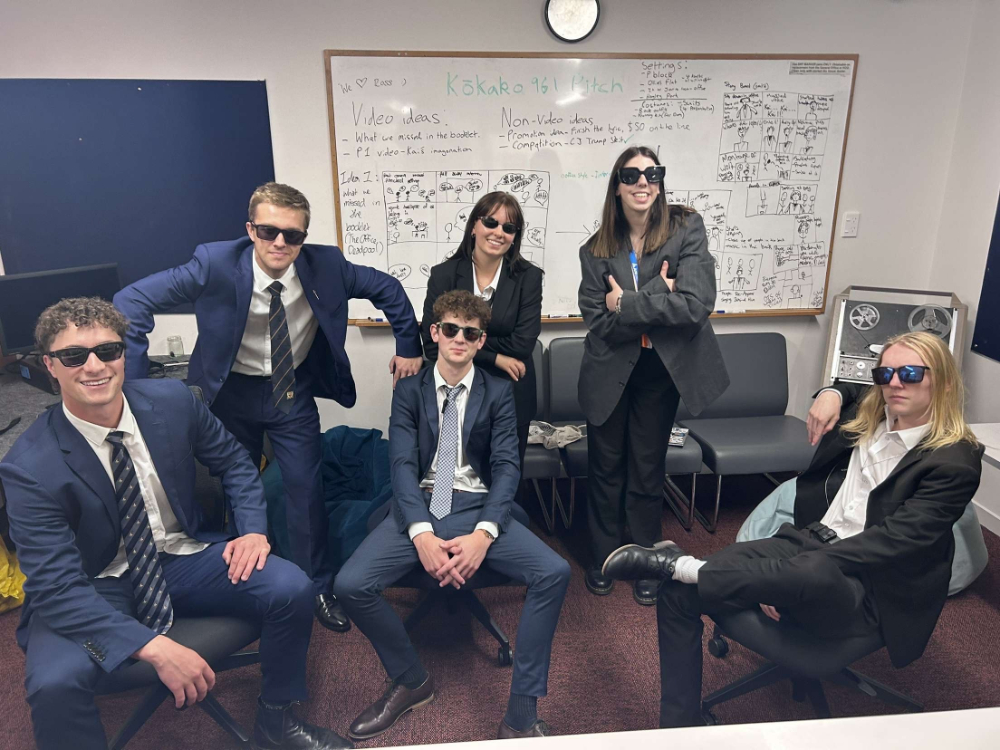
The New Zealand Broadcasting School (NZBS) at Ara Institute of Canterbury has operated on 96.1FM in Christchurch since the mid-1980s under a unique model: second-year radio students create an entirely new station brand each year, from concept and pitch through to on-air launch, advertising sales, and multimedia expansion. Known brands include The Attic (2013), Waves (2023), Bassline (2024), and Kokako 96.1 (2025). Alumni include Mike McRoberts, Kris Faafoi, Clarke Gayford, Jack Tame, and Miriama Kamo.
The Physics Room is a non-commercial contemporary art gallery in Christchurch, founded in 1996 from the South Island Art Projects organisation, and one of New Zealand’s most significant spaces for experimental and contemporary art. Operating from 209 Tuam Street for most of its history, it regularly hosts music, sound art, and performance events alongside its visual arts programme.
Post-earthquake Christchurch live music venue, operated by Wendy Alfeld at 126 Madras Street (the CPSA/CPIT student association building). Capacity approximately 1,000. Hosted Carl Cox, Shapeshifter, Katchafire, Ladyhawke and others from 2012 to around 2016.
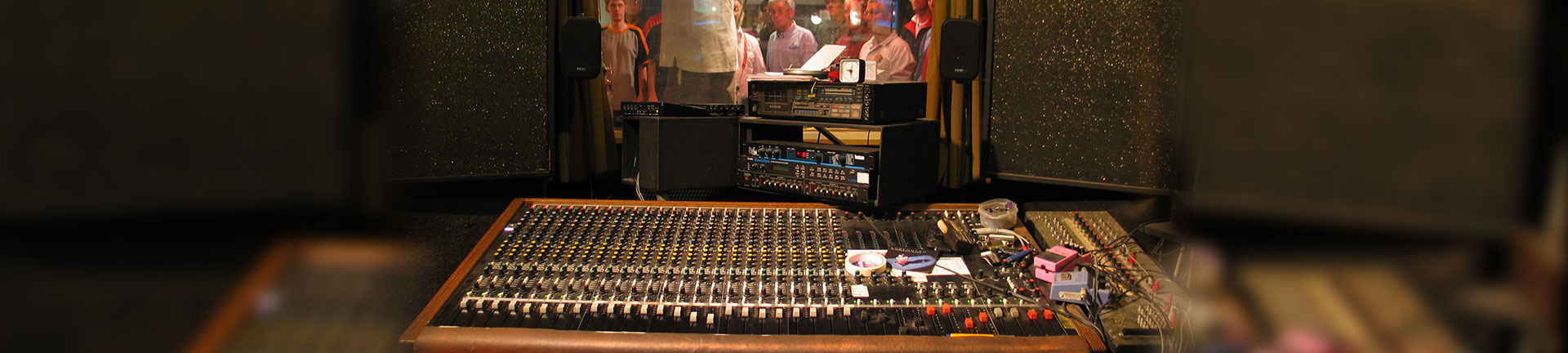
Nightshift Studios is a recording studio at 27 Whittington Avenue, Woolston, Christchurch, founded and operated by Dutch-born engineer Arnie van Bussel and in continuous operation since approximately 1976. Built around a custom-built console in a converted outbuilding at the rear of van Bussel's home, Nightshift became one of the key spaces of the New Zealand independent music scene — capturing Flying Nun's debut release (The Pin Group's Ambivalence, 1981), The Clean's Tally Ho, and a string of Bats albums across three decades, while remaining open to every genre from death metal to choral music.
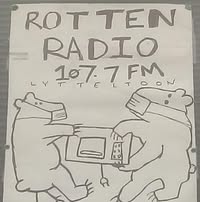
Rotten Radio 107.7FM is a volunteer-run, low-power community radio station broadcasting from Lyttelton on the guard band frequency since 2013. Spiritual successor to Volcano Radio 88.5FM — which closed when its Lyttelton studio was demolished after the Canterbury earthquakes — Rotten Radio operates under a General User Radio Licence at 1 watt, keeping the port town's community radio tradition alive with eclectic, underground programming.