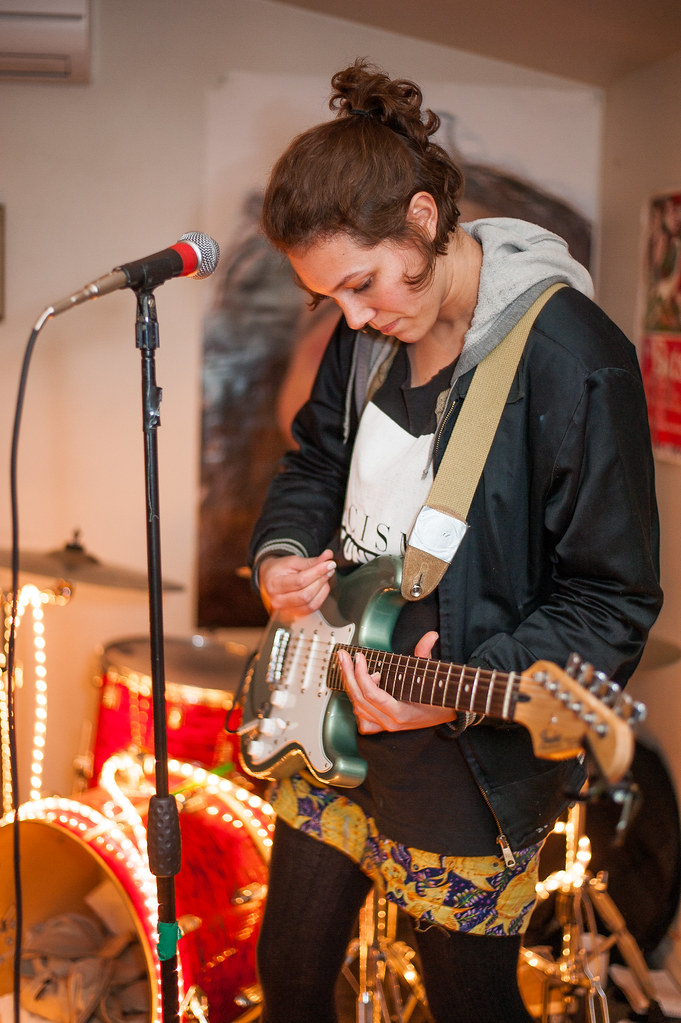
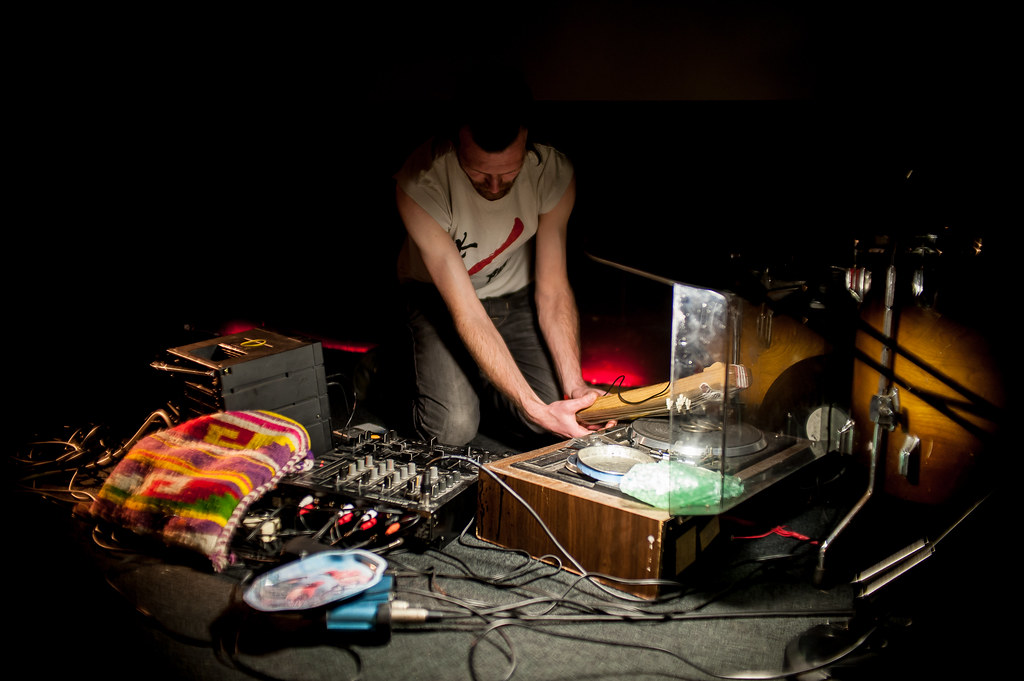
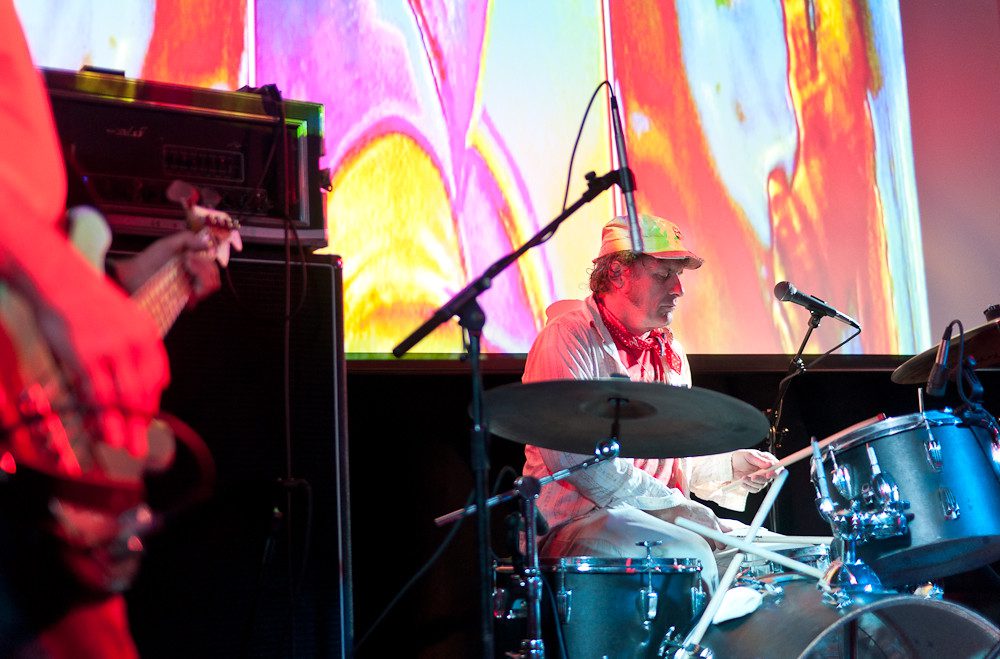
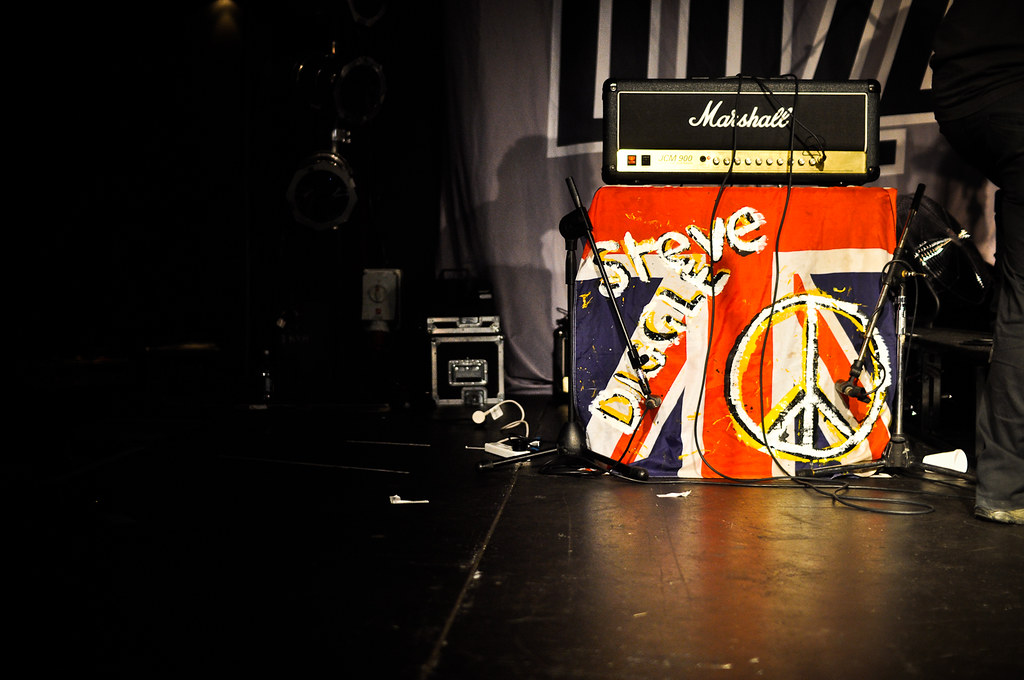
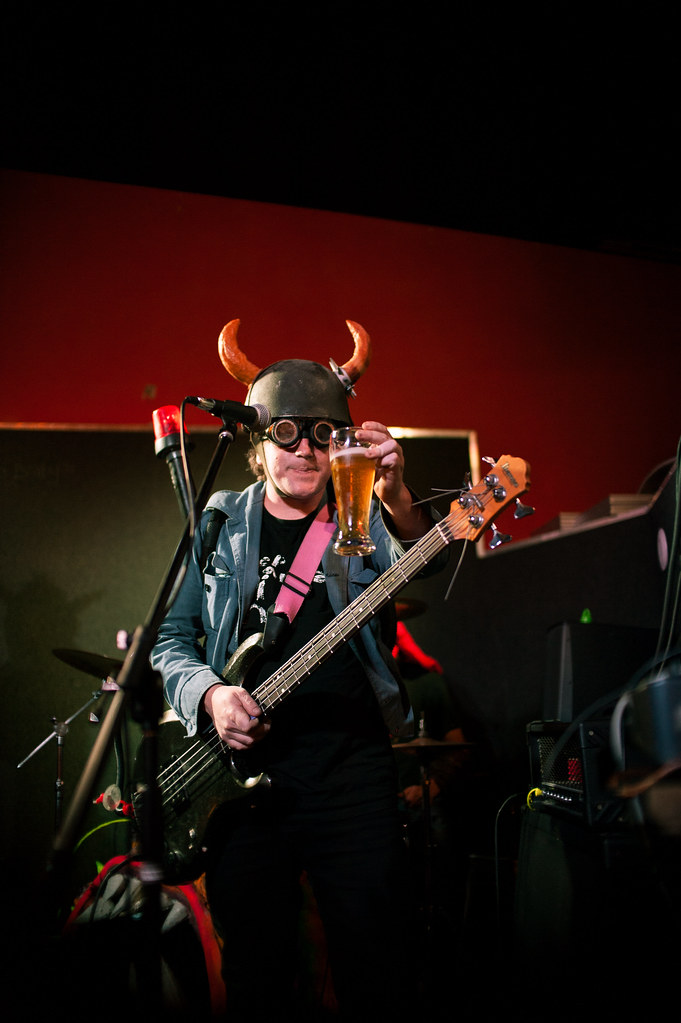
A DIY house party venue that operated from musician Brian Feary’s Richmond home between 2011 and 2017. London Street became a focal point of Christchurch’s post-earthquake underground scene, hosting all-ages shows from The Dance Asthmatics, Carb on Carb, X-Ray Charles, and others connected to the Melted Ice Cream label.
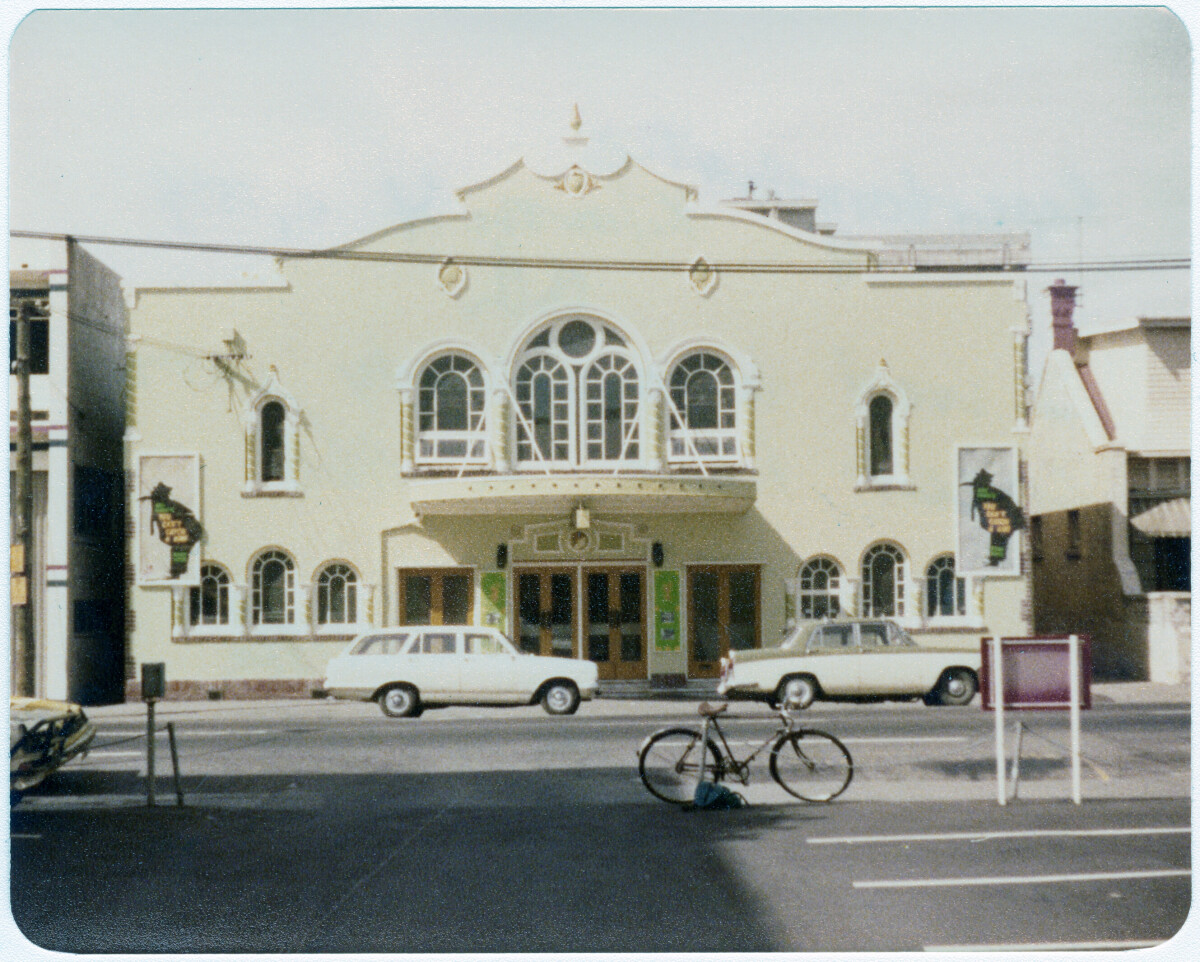
The Repertory Theatre at 146 Kilmore Street was one of Christchurch’s most architecturally distinctive interwar buildings, a 1929 Spanish Mission structure originally built as the Radiant Hall and later the home of the Canterbury Repertory Theatre Society for over eighty years. Demolished following the 2011 Canterbury earthquake, the building hosted decades of theatrical and musical life including productions directed by Ngaio Marsh and performances by leading Christchurch folk, jazz, and indie acts.
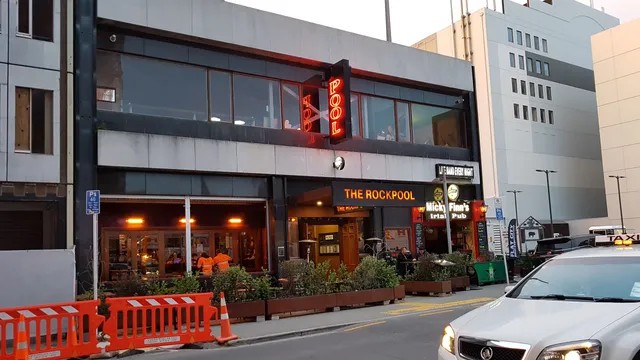
The Rockpool has been a fixture of Christchurch’s central city since 1995, operating as a pool hall on the ground floor and Micky Finn’s Irish Pub — a live music venue — on the first floor. Closed following the 2011 Canterbury earthquakes and reopened in 2015, it remains one of the few pre-earthquake CBD venues still trading, billing itself as the only pub in Central City.
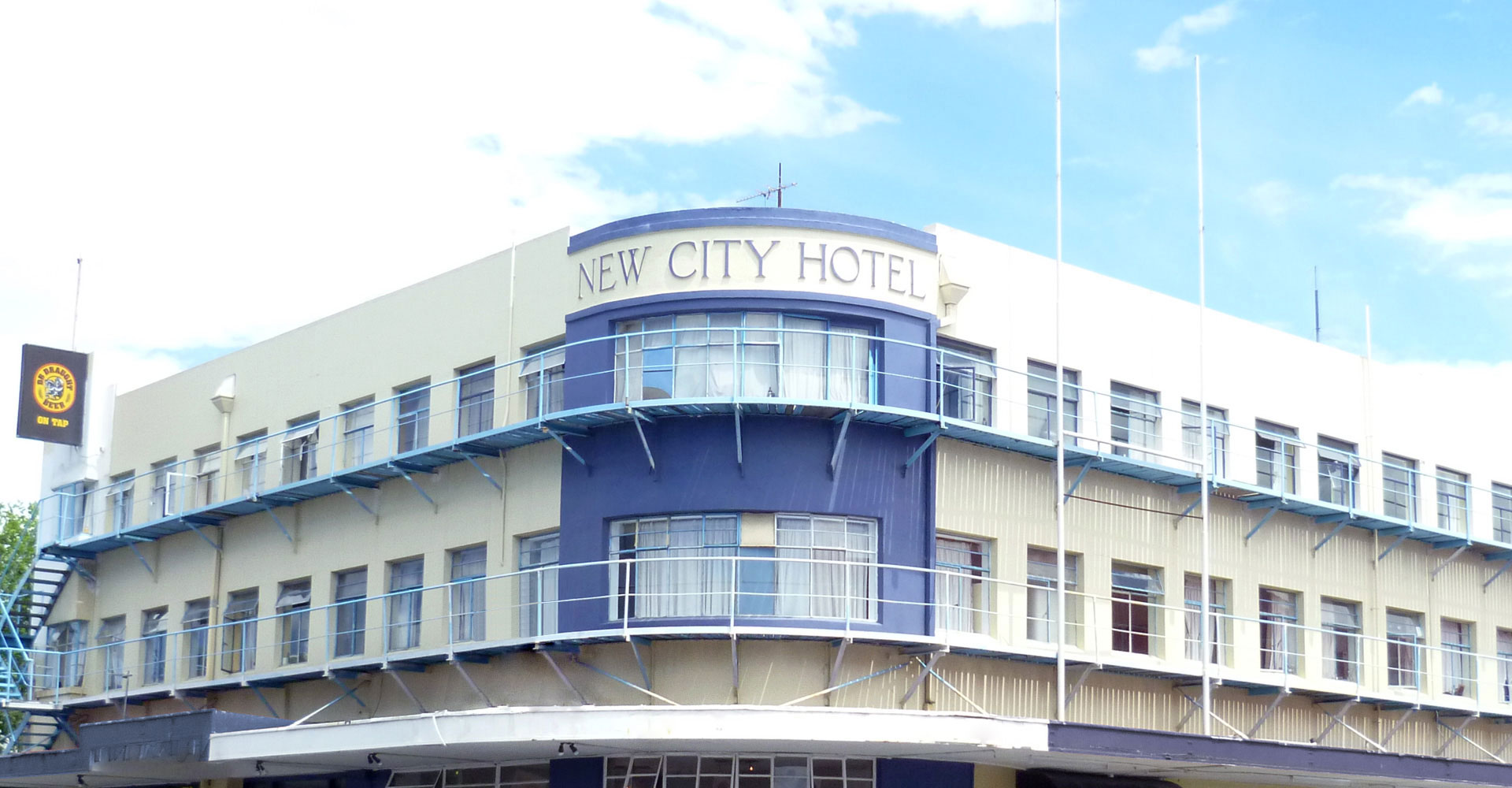
The New City Hotel at 527 Colombo Street has operated continuously in Christchurch since 1930, when Ballin Brothers commissioned architect John Steele Guthrie to design a Moderne-style building to house a liquor licence dating back to 1864. A survivor of the 2010–2011 Canterbury earthquakes, it remains the last traditional hotel operating in Christchurch's CBD and continues as a live music and entertainment venue.
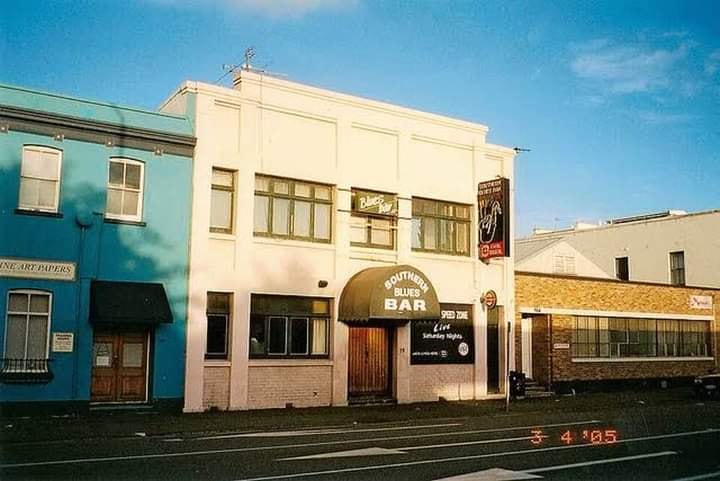
The Southern Blues Bar at 198 Madras Street was a beloved Christchurch institution that grew from a musicians' club founded in the 1980s into one of the city's most distinctive live music venues. With a 24-hour licence and a clientele that ranged from bikies to librarians, it hosted international blues legends alongside a thriving local jam scene before being demolished in December 2010 following the September earthquake.
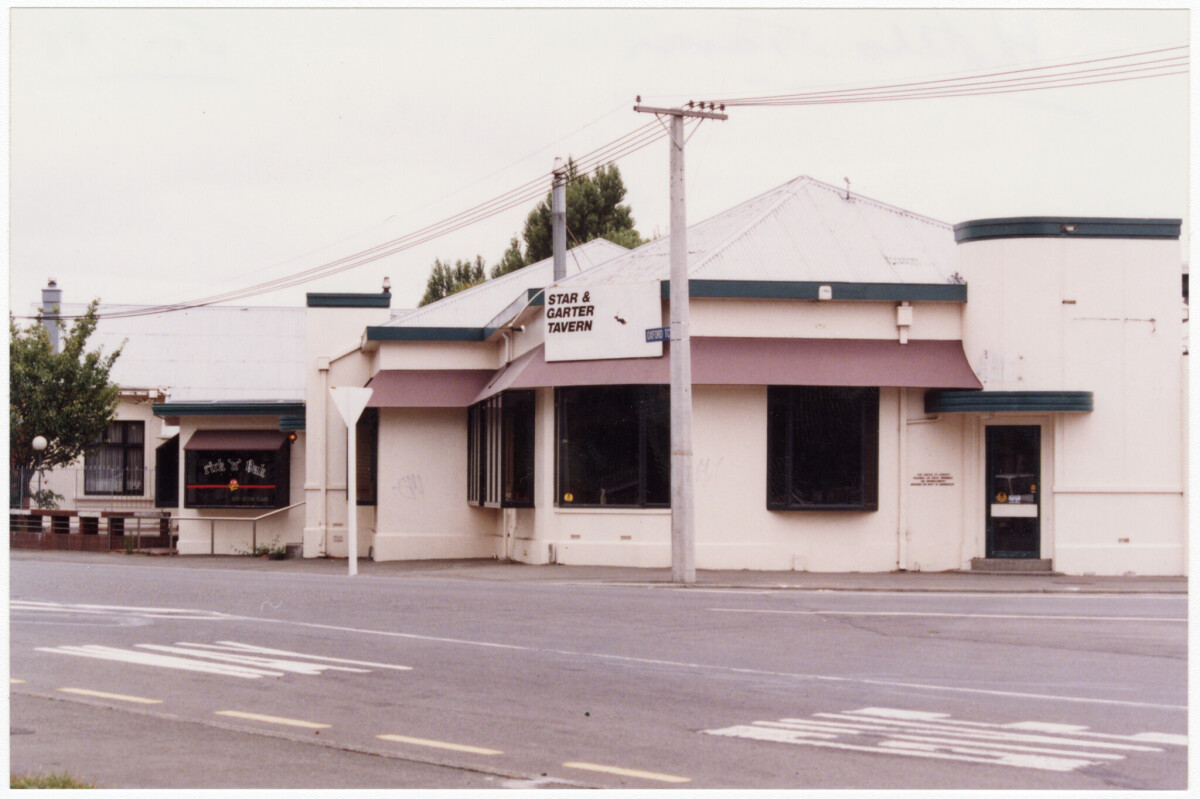
The Star and Garter Tavern was a long-running Christchurch pub on Oxford Terrace, demolished following earthquake damage sustained in the 2010–2011 Canterbury earthquake sequence.
The Physics Room is a non-commercial contemporary art gallery in Christchurch, founded in 1996 from the South Island Art Projects organisation, and one of New Zealand’s most significant spaces for experimental and contemporary art. Operating from 209 Tuam Street for most of its history, it regularly hosts music, sound art, and performance events alongside its visual arts programme.
Post-earthquake Christchurch live music venue, operated by Wendy Alfeld at 126 Madras Street (the CPSA/CPIT student association building). Capacity approximately 1,000. Hosted Carl Cox, Shapeshifter, Katchafire, Ladyhawke and others from 2012 to around 2016.
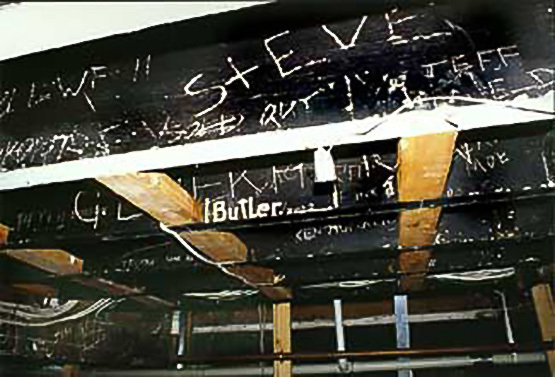
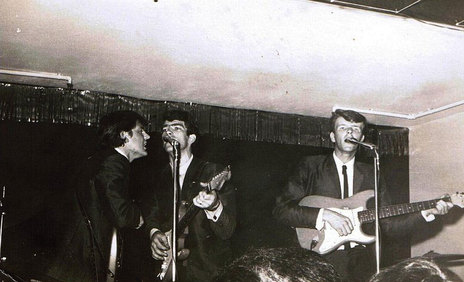
The Stage Door was a basement club in Hereford Lane, central Christchurch, that ran from 1964 to around 1968 under three names — King Bee Koffee Kellar, Stage Door, and Ram Jam Club. Home to Chants R&B and the city’s mod underground, it was Christchurch’s answer to the Cavern Club, and the site of one of New Zealand’s most celebrated live recordings.
The Plainsman was a no-alcohol coffee lounge, steakhouse and music venue that operated from 1962 to 1972 at 110 Lichfield Street in central Christchurch. One of the city's most important musical venues of the beat era, it launched the careers of Ray Columbus, The Secrets, and Gary Thain — later of Uriah Heep — and hosted Dinah Lee, Chants R&B, and a young Johnny Farnham.
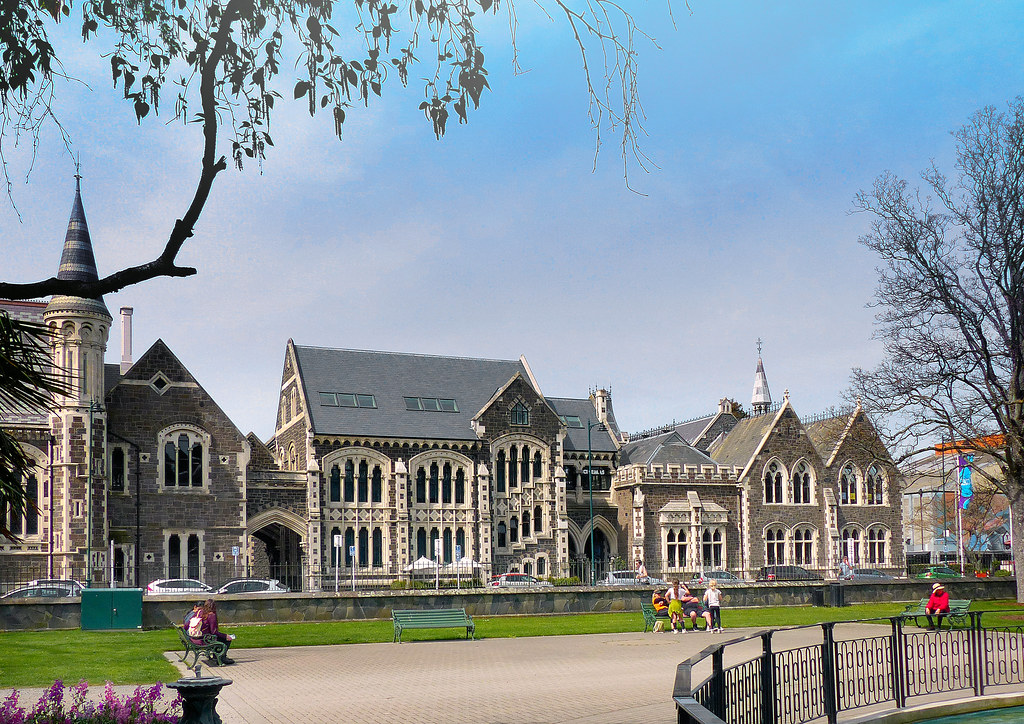
The Great Hall at the Christchurch Arts Centre is one of the oldest and most significant concert halls in Canterbury. Designed by Benjamin Mountfort in 1882 as College Hall for Canterbury College, it features Gothic Revival architecture with native timber panelling and a hammerbeam roof. Closed for earthquake restoration between 2011 and 2016, it reopened to international recognition and continues to host concerts, recitals, and events.
The Bedford was Christchurch's premier large-capacity live music venue of the 2000s, a converted warehouse on Lichfield Street capable of holding around 1,000 people. Demolished after the 2011 earthquake, it was kept alive through a series of marquee pop-up venues by owner Wendy Alfeld — earning national recognition for keeping live music alive in the city through years of disruption.
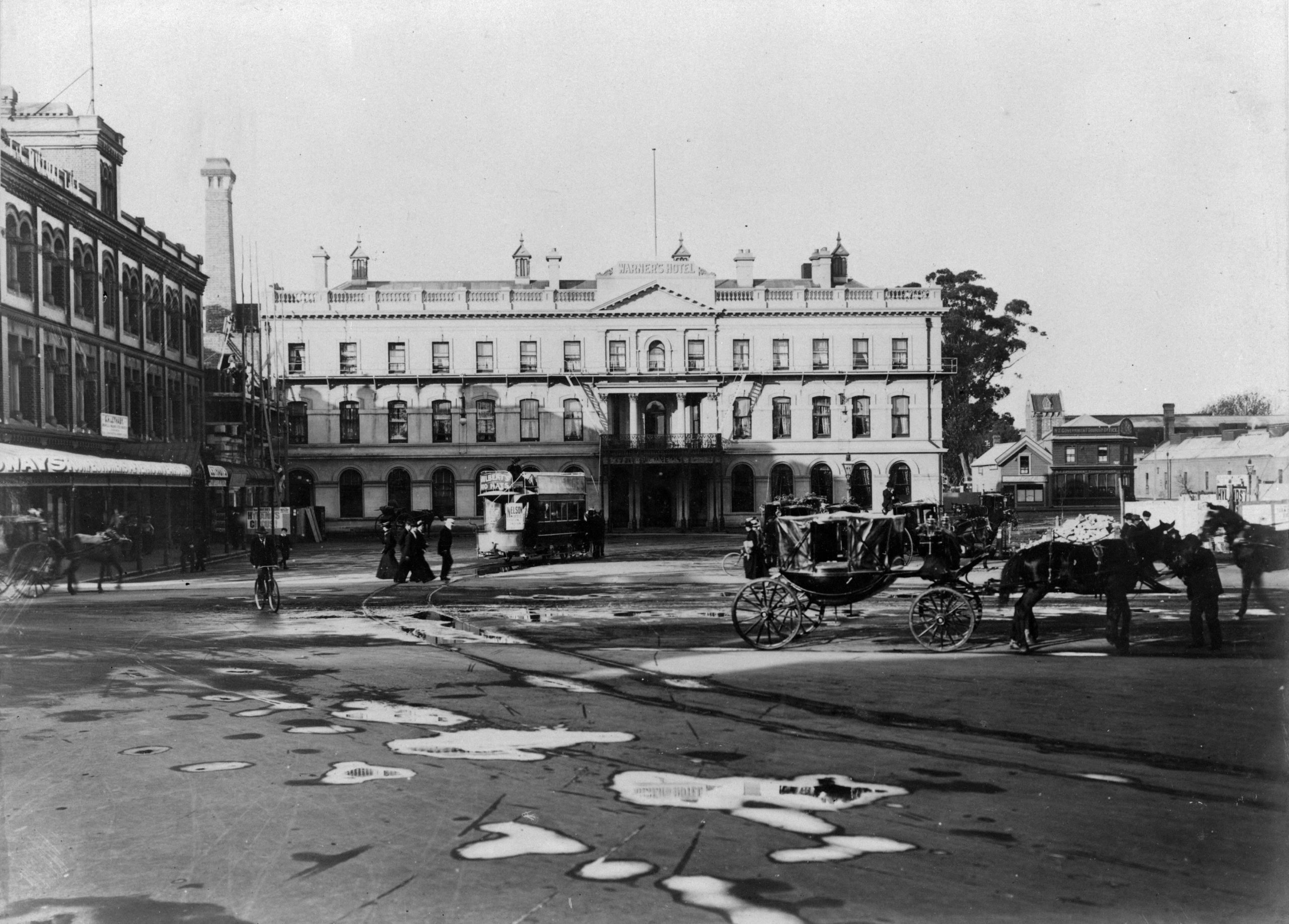
Warners Hotel at 50 Cathedral Square was one of Christchurch's most storied establishments, tracing its history from 1863 through to the February 2011 earthquake that led to its demolition. In the 1990s, its live music bar drew crowds of up to 800, hosting performances by Shihad, The Chills, Straitjacket Fits, Radiohead, and many of New Zealand's leading indie and rock acts.
Dux Live was a purpose-built live music venue at 363 Lincoln Road in Addington, Christchurch, opened in December 2011 as the post-earthquake successor to the original Dux de Lux. Founded by Richard Sinke, the converted warehouse was fitted with a state-of-the-art KV2 sound system and operated as a dedicated live music space until 2016.
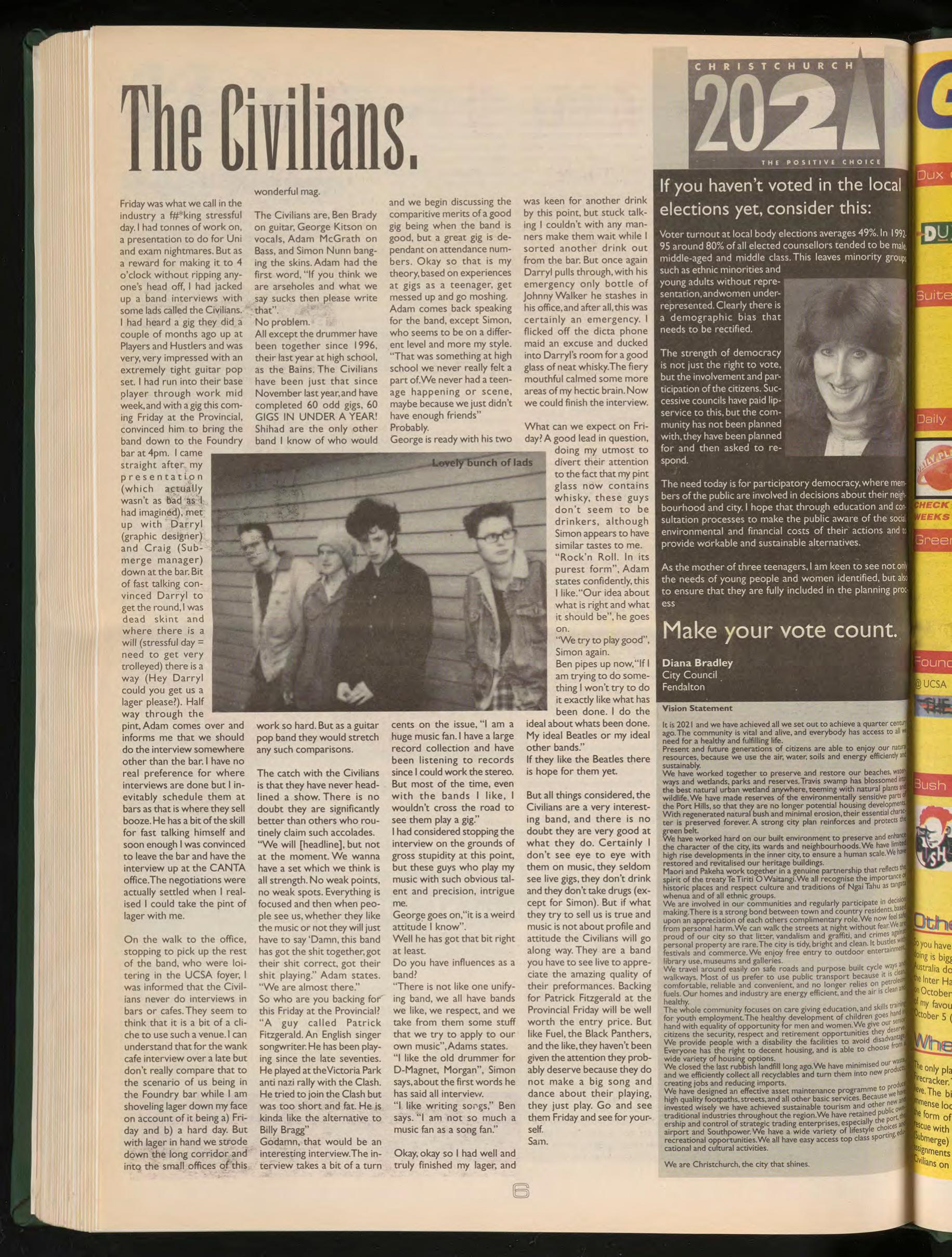
Players and Hustlers was a pool bar and live music venue at 96 Oxford Terrace on Christchurch's The Strip, hosting DJ nights, rock, and metal acts through the late 1990s — including a Judgement Day dance party in 1997, a Brutal Truth show in 1998, and performances by The Civilians and Gaia. The building previously housed the Player Tenpin Bowling Centre, largest in New Zealand in 1995. The venue was demolished following the 2011 Canterbury earthquakes; the site is now the Riverside Market.