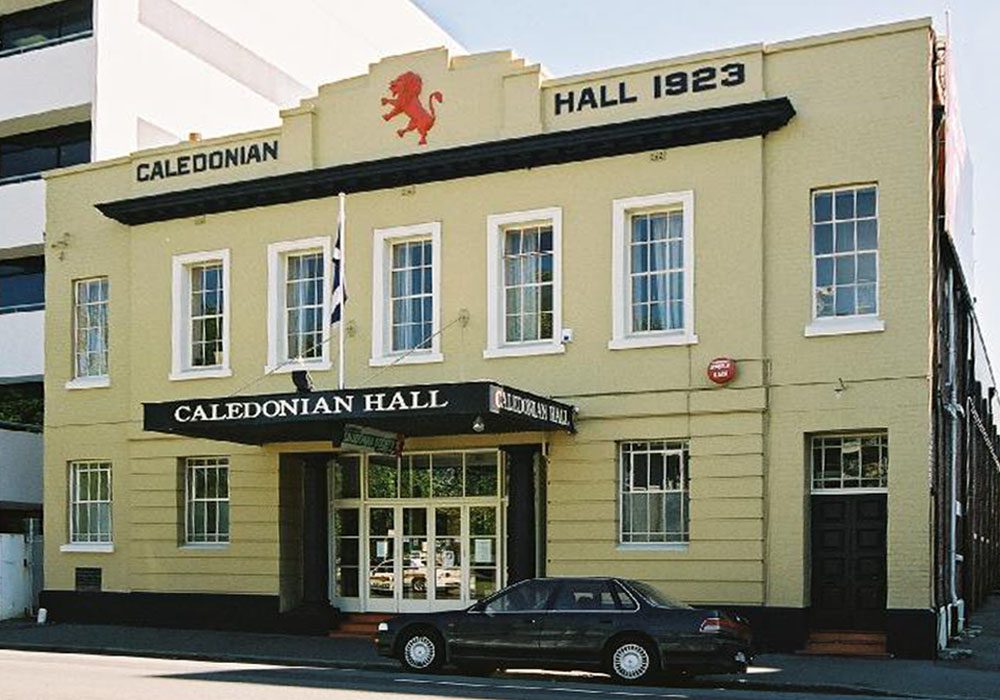
Canterbury Caledonian Society Hall at 135 Kilmore Street West, home of the Zodiac Lounge rock and pop dance venue in the 1960s. Hosted Faith No More, Fugazi, and Pavement in the 1990s. Damaged in the February 2011 earthquake and demolished in March 2011.
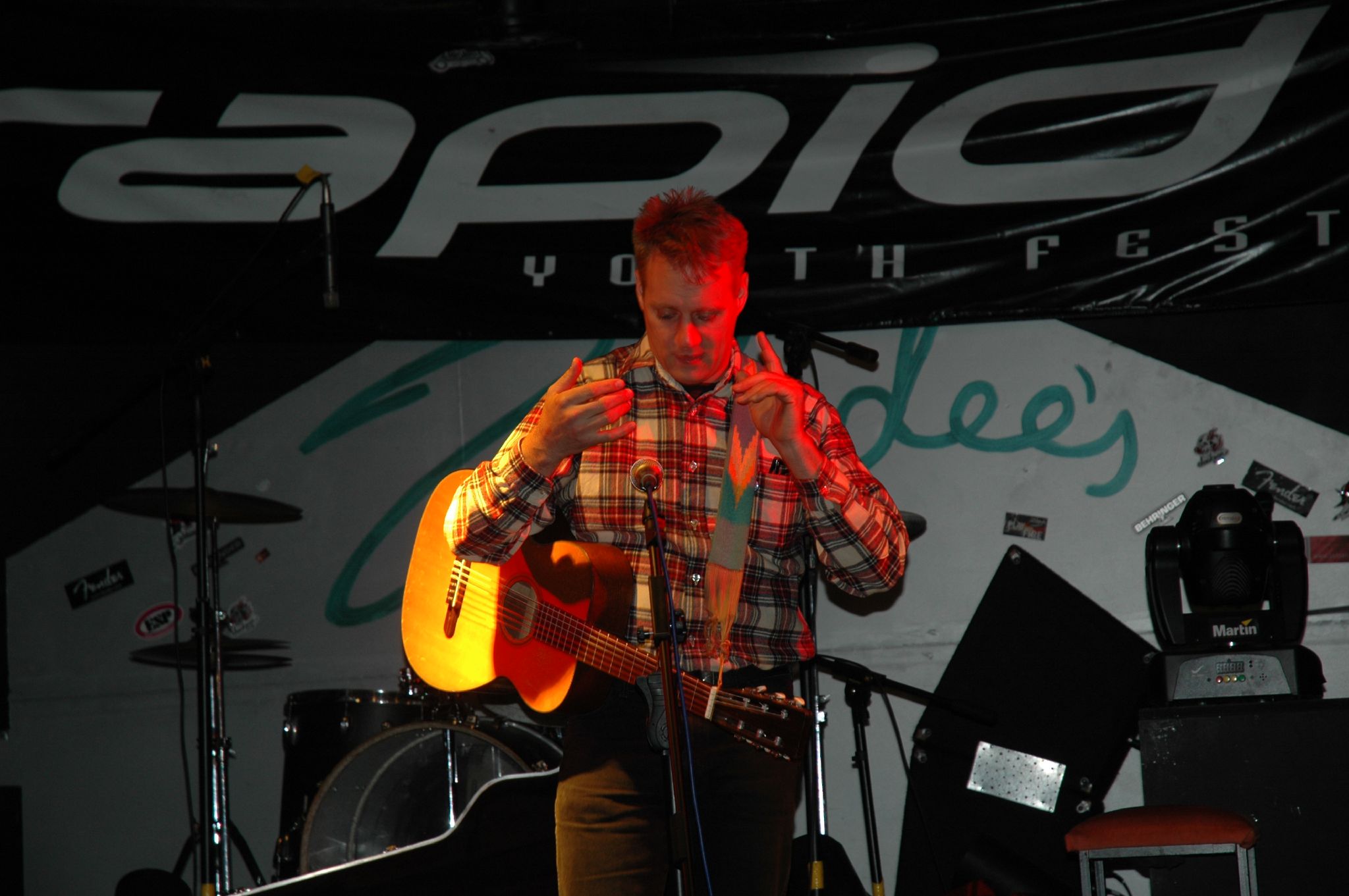
Zebedees was Christchurch's only all-ages, alcohol-free live music venue, operating from a 400-capacity hall at 479 Blenheim Road, Sockburn from approximately 1998 to 2014. Run by Steve and Jennie White as a charitable trust for sixteen years, it hosted hundreds of local and touring bands for teenage audiences and was widely regarded as one of the best youth music venues in the world.
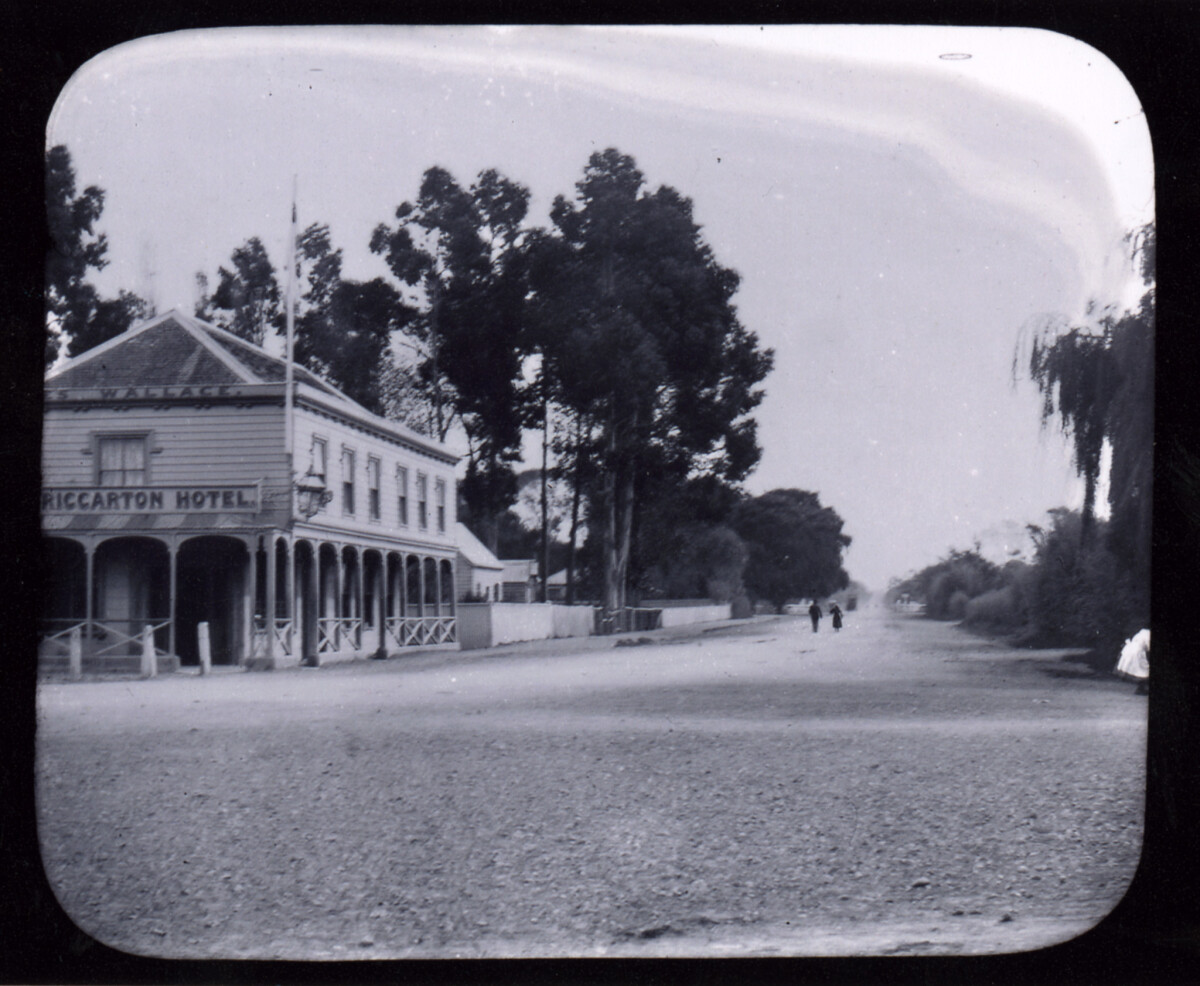
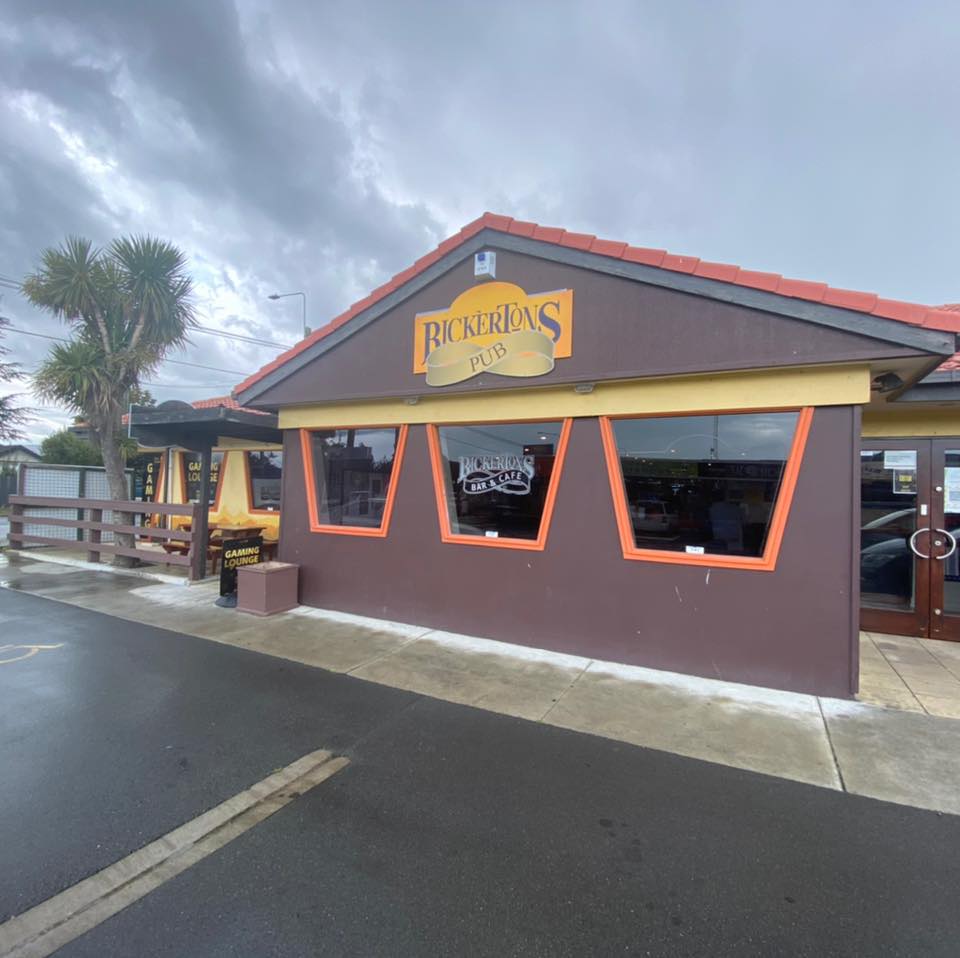
One of Christchurch's oldest licensed premises, the Riccarton Hotel on the corner of Riccarton Road and Deans Avenue can trace its origins to an 1853 Canterbury Almanack advertisement for "The Traveller's Home." Over 150 years it traded as the Plough Inn, the Riccarton Hotel, DB Riccarton, and — most memorably — Nancy's, named for the beloved publican Annie (Nancy) Hancock who ran it from 1930 until the 1960s. In its final chapter it became the Fat Ladies Arms student bar before being demolished and replaced by a fast food restaurant.
The Aranui Tavern at 317 Pages Road was a working-class pub in Christchurch's eastern suburbs that became one of the city's most significant live music rooms from the mid-1970s through the 1980s. Bon Marché and The Newz held a three-year residency from 1978 to 1981, nurturing emerging acts including Pop Mechanix and the Dance Exponents — whose own Aranui residency led directly to their Mushroom Records signing in 1982.
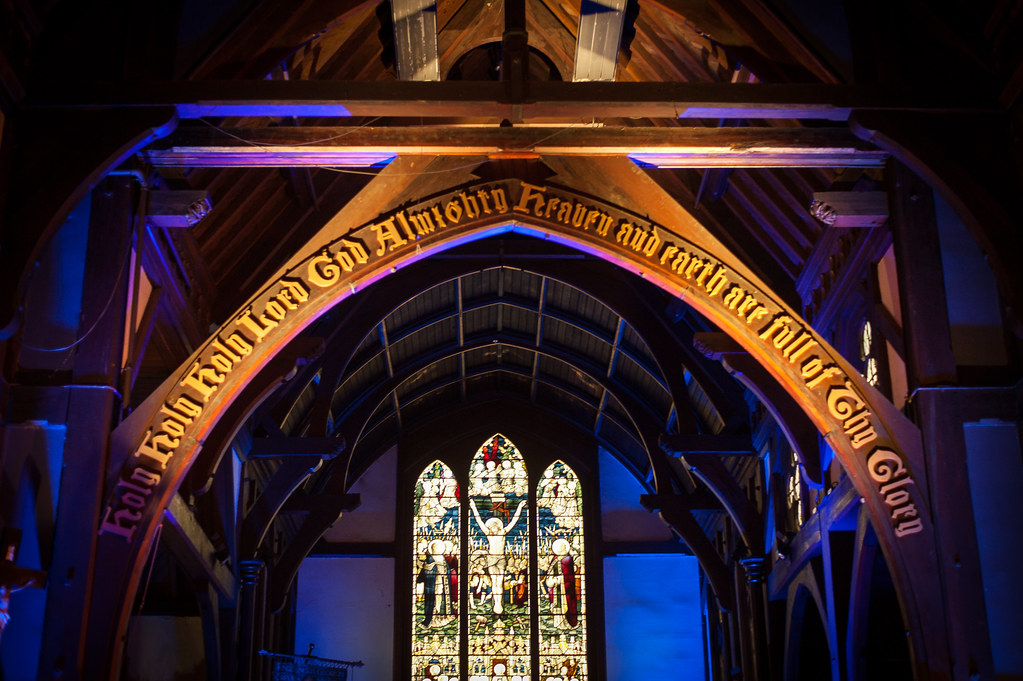
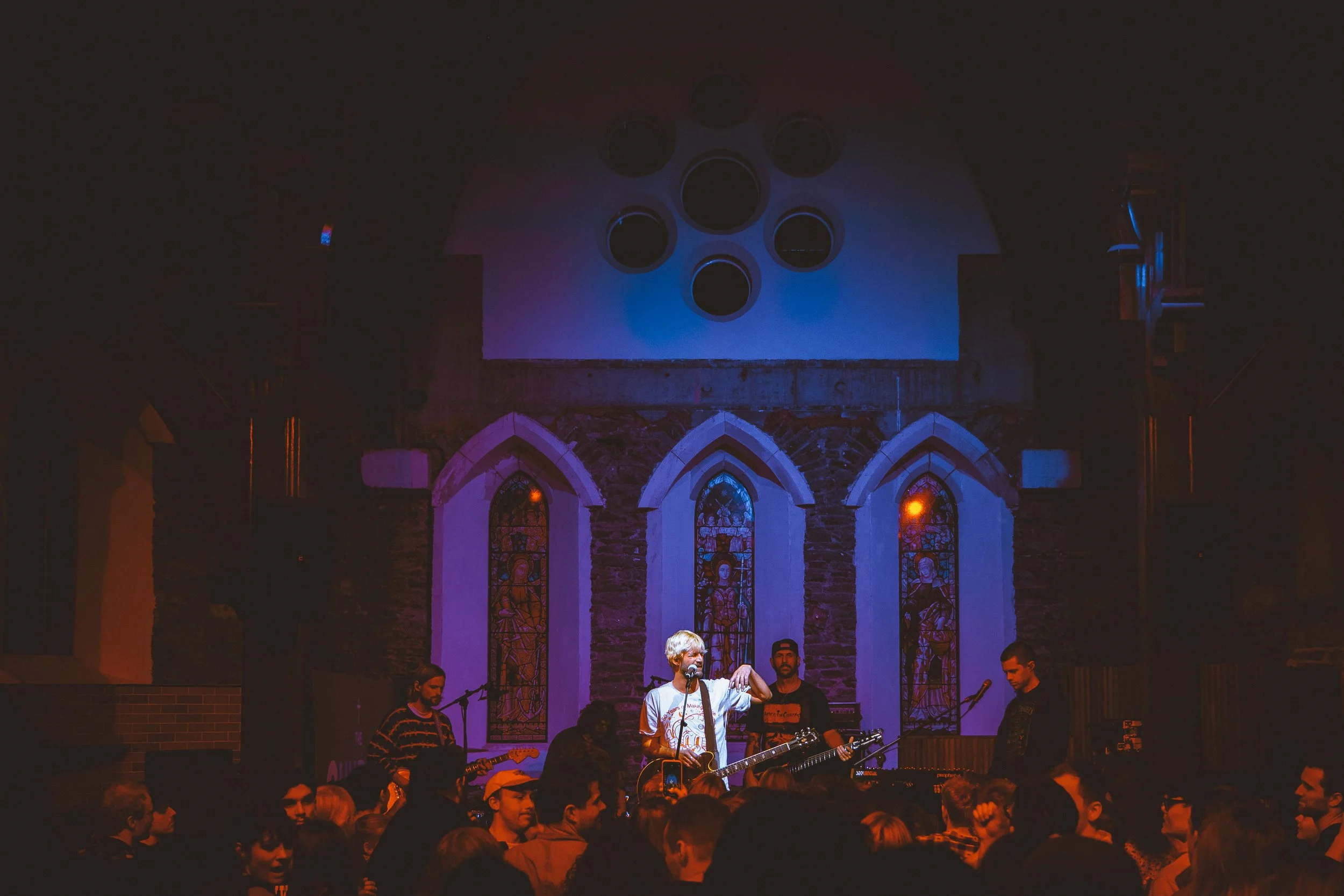
St Michael and All Angels is a Heritage New Zealand Category I Anglican church at 84 Oxford Terrace, Christchurch, designed by William Fitzjohn Crisp and consecrated in 1872. One of the largest timber Gothic Revival churches in the Southern Hemisphere, it survived the 2011 earthquakes intact and has served as a concert venue for Lawrence Arabia, Andrew Keoghan, Anika Moa, Boh Runga, Hollie Smith, Marlon Williams, and Holly Arrowsmith.
Cafe and bar at 42 London Street in Lyttelton, run by Lois Ogilvie and Pete Llewellyn Evans from 1988 until the 2011 earthquakes. A creative hub for Lyttelton's arts community — painter Bill Hammond designed the iconic 1994 LAVA poster for the venue.
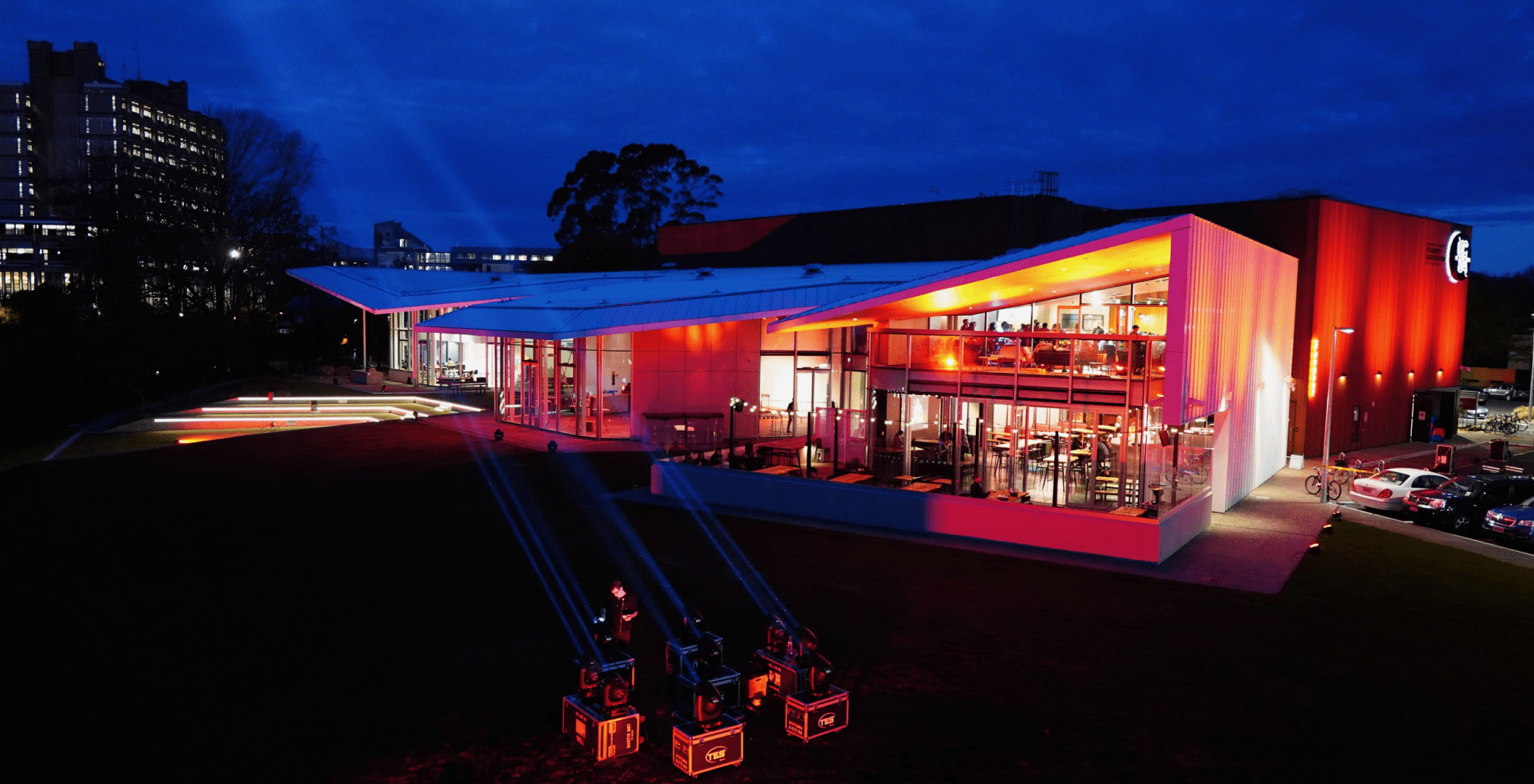
The Foundry is Canterbury University's live music venue, operating at 90 Ilam Road in Ilam since the 1970s. After the 2010 earthquakes closed the original student union building, The Foundry ran from a beloved carpark temporary venue for eight years — hosting acts including Savage, Hilltop Hoods, Machine Head, and Dead Kennedys — before settling into the new $27 million Haere-roa building in 2019.
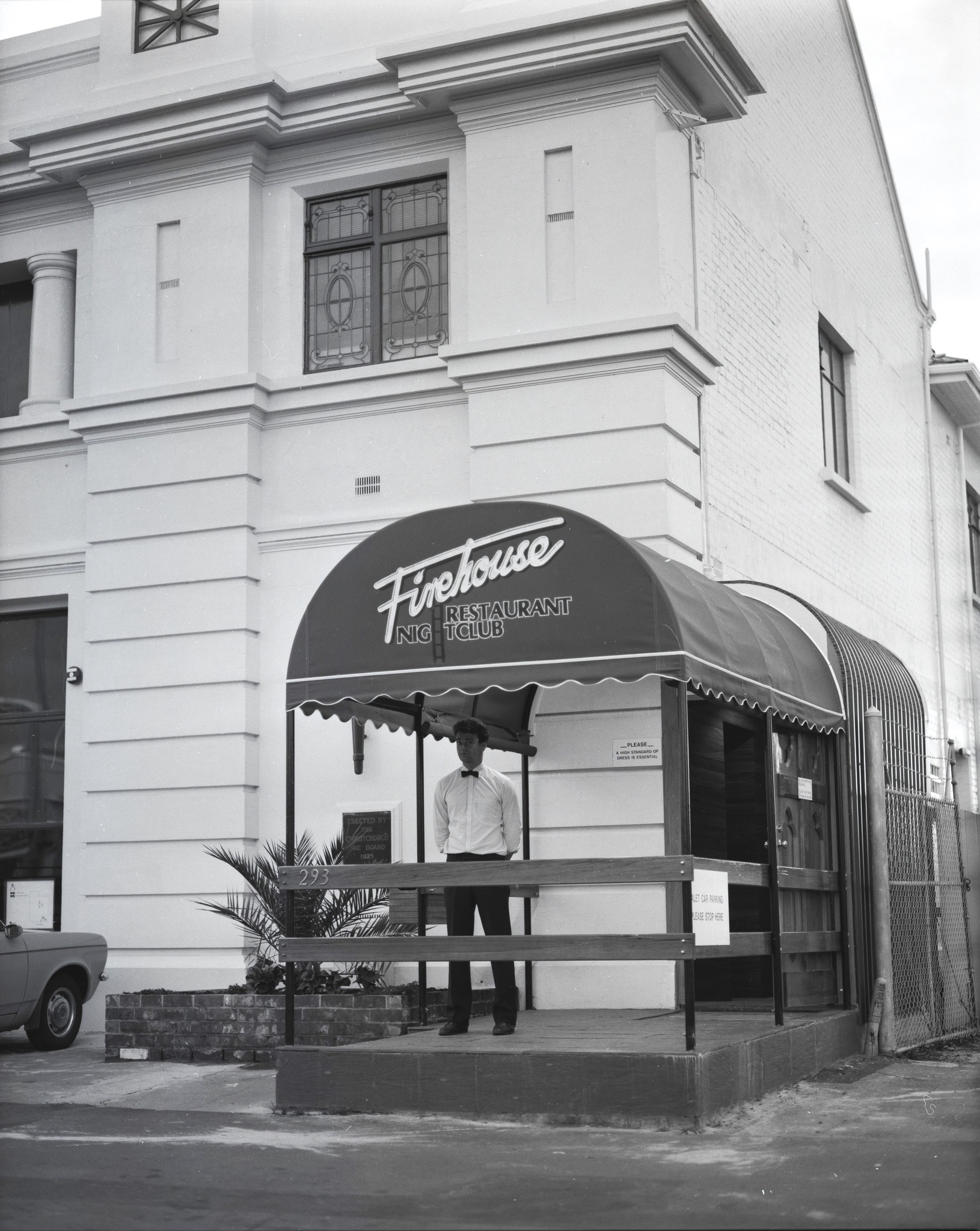
The former Sydenham Fire Station at 293 Colombo Street had two lives as a music venue: Wayne Manor from 1979, hosting Christchurch's early punk and post-punk scene in a BYO cavernous station space, and The Firehouse Nightclub from 1985 — a more polished club that survived a bomb attack and a gunman before ironically being destroyed by fire around 1990.
The building at 124 Worcester Street was designed by Benjamin Woolfield Mountfort and opened in 1875 as Trinity Congregational Church, whose congregation included suffragist Kate Sheppard. Converted to the State Trinity Centre in 1975 — a theatre, bar and restaurant — it hosted The Axemen's landmark recording session for Three Virgins before earthquake damage in 2011 closed it for over a decade. It reopened in 2023 as The Church Brew Pub, retaining Mountfort's famous double barrel vault ceiling.
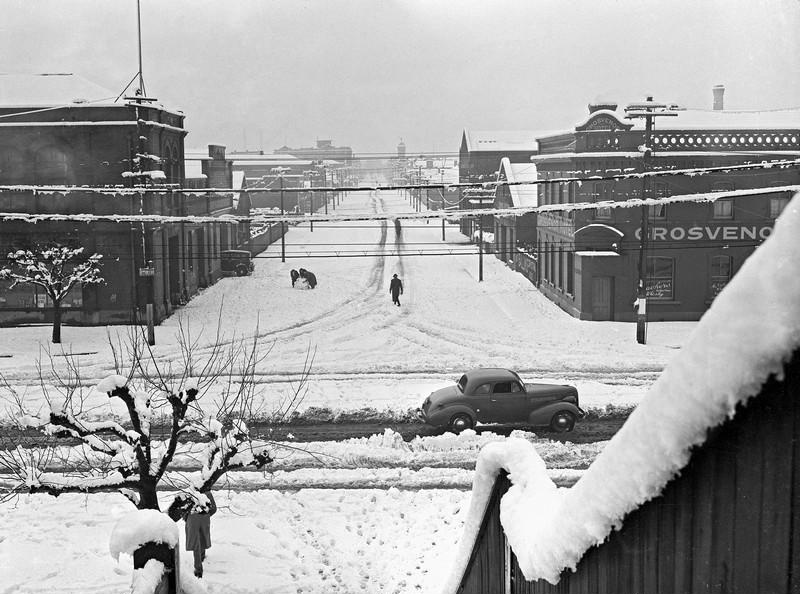
The Grosvenor Hotel opened in 1877 at the corner of Madras Street and Moorhouse Avenue, built to serve the railway workers and travelling public of Christchurch’s southern transport corridor. It operated for over a century before closing in 2001. After surviving the 2010–11 earthquakes, the building reopened in 2012 as The Monday Room — a cocktail bar and events space that hosted DJ nights and occasional live music. In 2018 The Monday Room relocated to High Street; the Moorhouse Avenue building is now NV Interactive.
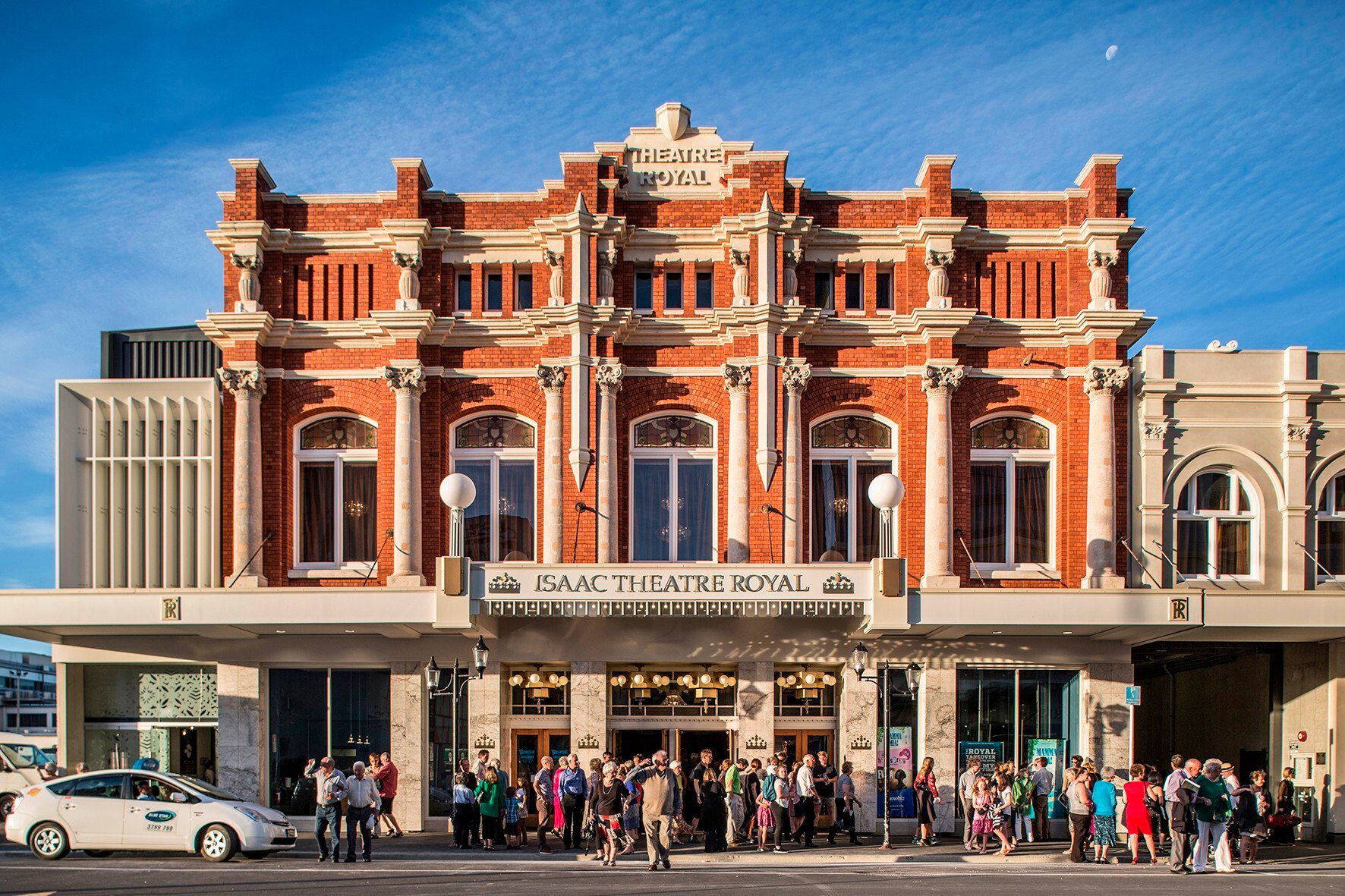
The Isaac Theatre Royal at 145 Gloucester Street is the only surviving operational Edwardian theatre in New Zealand. Opened in February 1908 to the designs of architects Alfred and Sidney Luttrell, it has hosted everyone from Anna Pavlova and Louis Armstrong to the Rolling Stones, Split Enz, Crowded House, and Lorde. Heavily damaged in the 2011 earthquake, it reopened in November 2014 after a $40 million restoration and holds Heritage New Zealand Category I status.
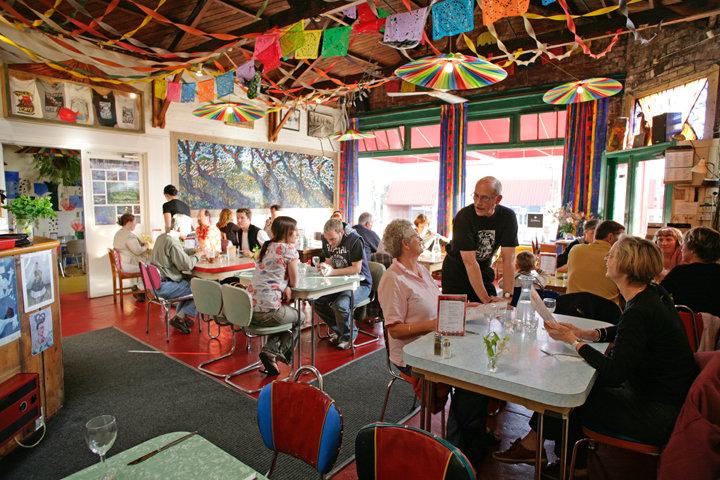
The Lyttelton Coffee Company has occupied the heritage-listed J.D. Bundy building at 29 London Street since 2007, operating as a café, specialty coffee roastery, and intimate live music venue. Owner Stephen Mateer oversaw a painstaking 2.5-year restoration of the building after it was badly damaged in the February 2011 Canterbury earthquake.
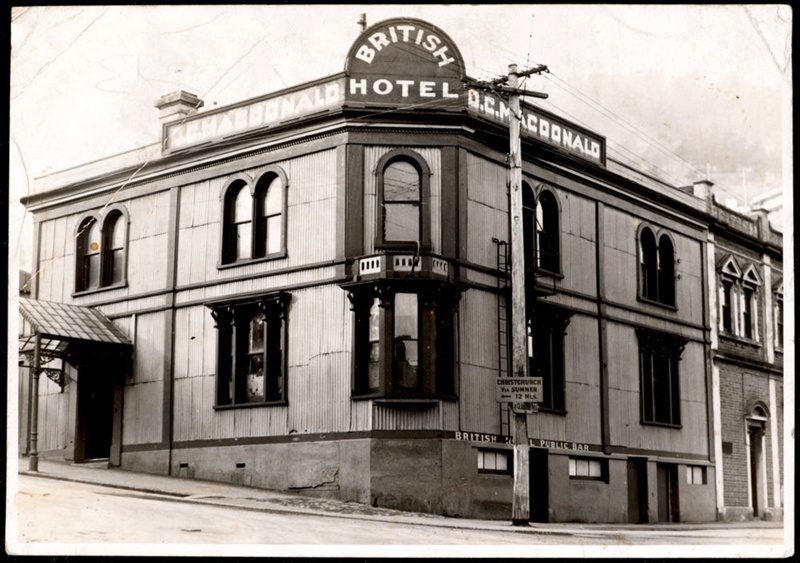
Basement bar in the former British Hotel at the corner of Oxford Street and Norwich Quay in Lyttelton, with a history stretching back to 1849. Known through several names including El Santo, it reopened as the Hellfire Club in 2017 after earthquake repairs and later became The Commoners.
Double Happy was an upscale bar and club at 182 Cashel Street in Christchurch, operating from December 2006 until the 2011 earthquakes. With a capacity of 420, it was one of the city's larger live music venues, booking local and international drum and bass, hip hop and electronic acts.