CRY TV was New Zealand's first dedicated music television channel, broadcasting on UHF 56 from the Port Hills above Christchurch between July 1993 and April 1997. Founded by Christian Birch and Chris Clarkson, it pre-dated Auckland's MAX TV by three months and launched the careers of Petra Bagust, Jason Fa'afoi, Francesca Rudkin, D'Arcy Waldegrave, and Dave Yetton (Jean-Paul Sartre Experience), who met Jason Fa'afoi at the station and went on to form The Stereo Bus.
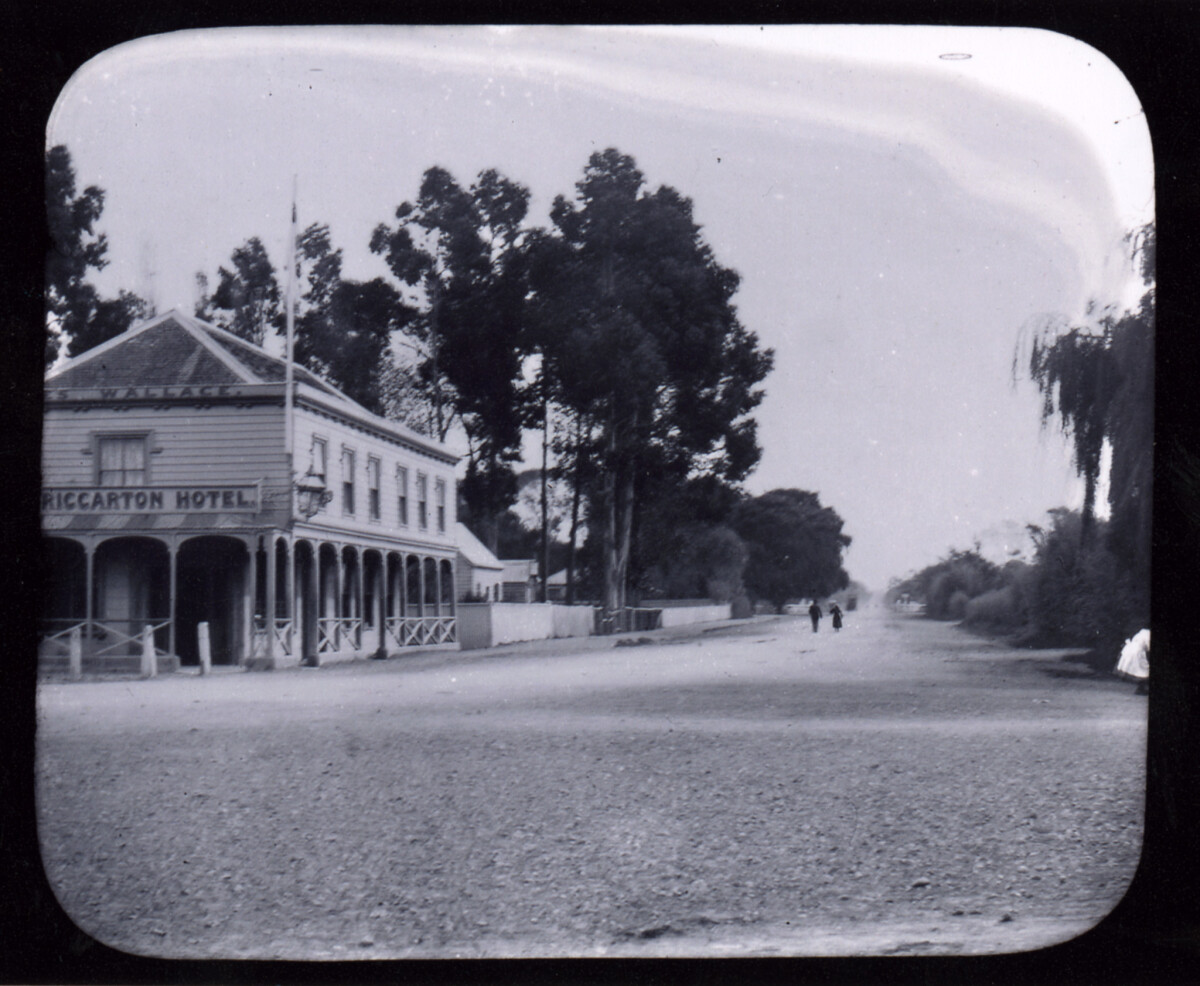
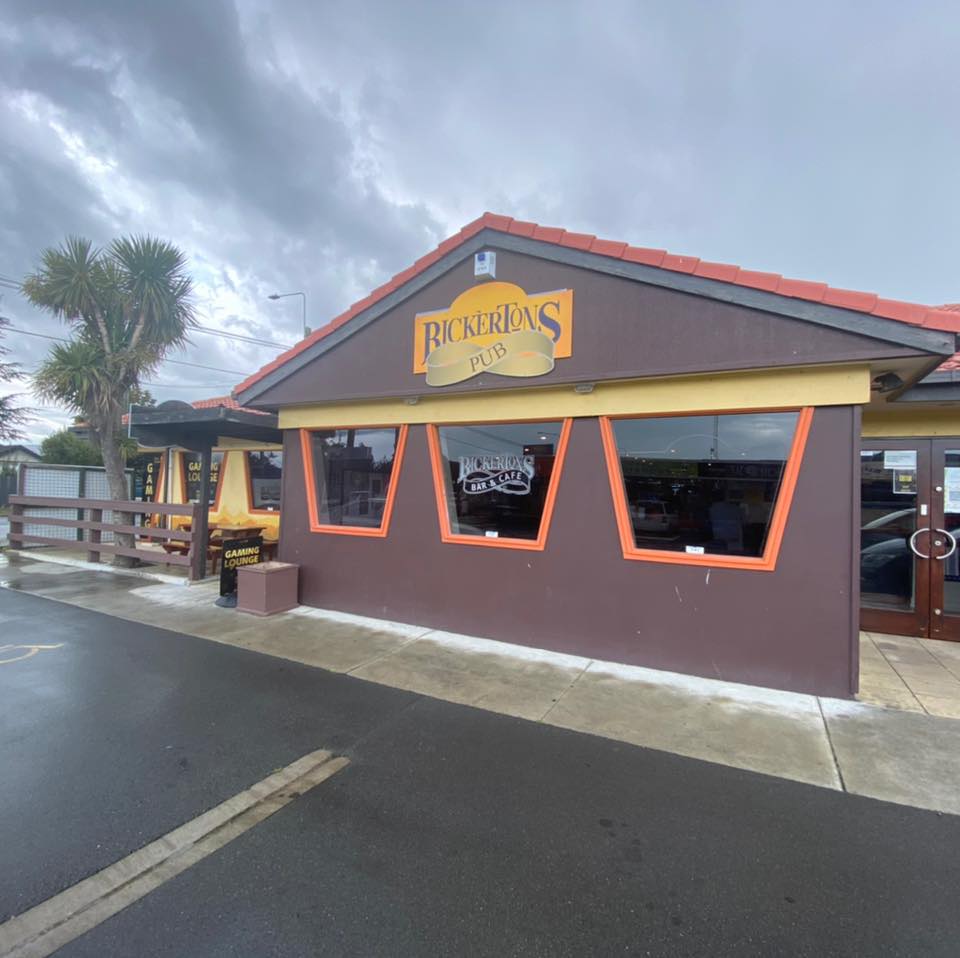
One of Christchurch's oldest licensed premises, the Riccarton Hotel on the corner of Riccarton Road and Deans Avenue can trace its origins to an 1853 Canterbury Almanack advertisement for "The Traveller's Home." Over 150 years it traded as the Plough Inn, the Riccarton Hotel, DB Riccarton, and — most memorably — Nancy's, named for the beloved publican Annie (Nancy) Hancock who ran it from 1930 until the 1960s. In its final chapter it became the Fat Ladies Arms student bar before being demolished and replaced by a fast food restaurant.
Radio One 91FM is Dunedin’s student radio station, broadcasting on 91.0MHz from the University of Otago since 6 February 1984. Owned and operated by OUSA, the station played a central role in the Dunedin Sound era of the early 1980s, championing Flying Nun Records artists including The Chills, The Bats, Sneaky Feelings, and The Verlaines when commercial radio would not. Among its alumni are Shayne Carter, Jan Hellriegel, and Lesley Paris. In 1987 it became the first radio station in the world to broadcast news of the Fiji coup. Still active as the voice of Ōtepoti student music culture.
The Aranui Tavern at 317 Pages Road was a working-class pub in Christchurch's eastern suburbs that became one of the city's most significant live music rooms from the mid-1970s through the 1980s. Bon Marché and The Newz held a three-year residency from 1978 to 1981, nurturing emerging acts including Pop Mechanix and the Dance Exponents — whose own Aranui residency led directly to their Mushroom Records signing in 1982.
95bFM is Auckland's student and independent radio station, broadcasting on 95.0FM from the University of Auckland since 1969 — first as the pirate Radio Bosom and then as the licensed 95bFM from 1990. New Zealand's longest-standing independent broadcaster, it championed Flying Nun Records and first broke Sister Underground, OMC, Che Fu and Savage on Auckland radio, founded the bNet NZ Music Awards in 1999, and in 2005 conducted the interview in which Don Brash admitted foreknowledge of the Exclusive Brethren's election campaign.
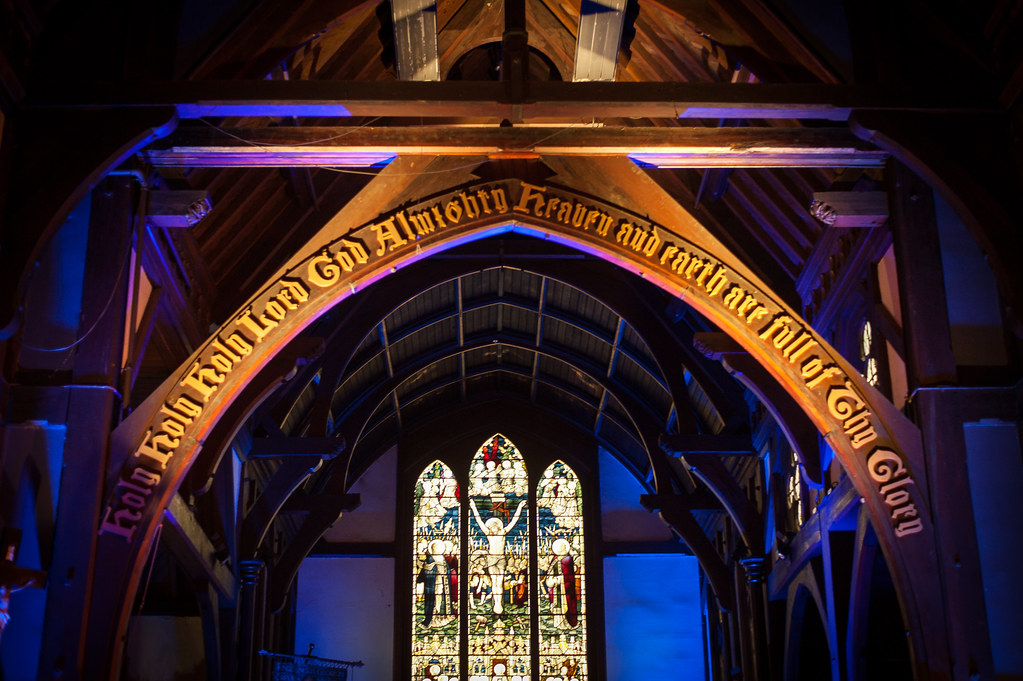
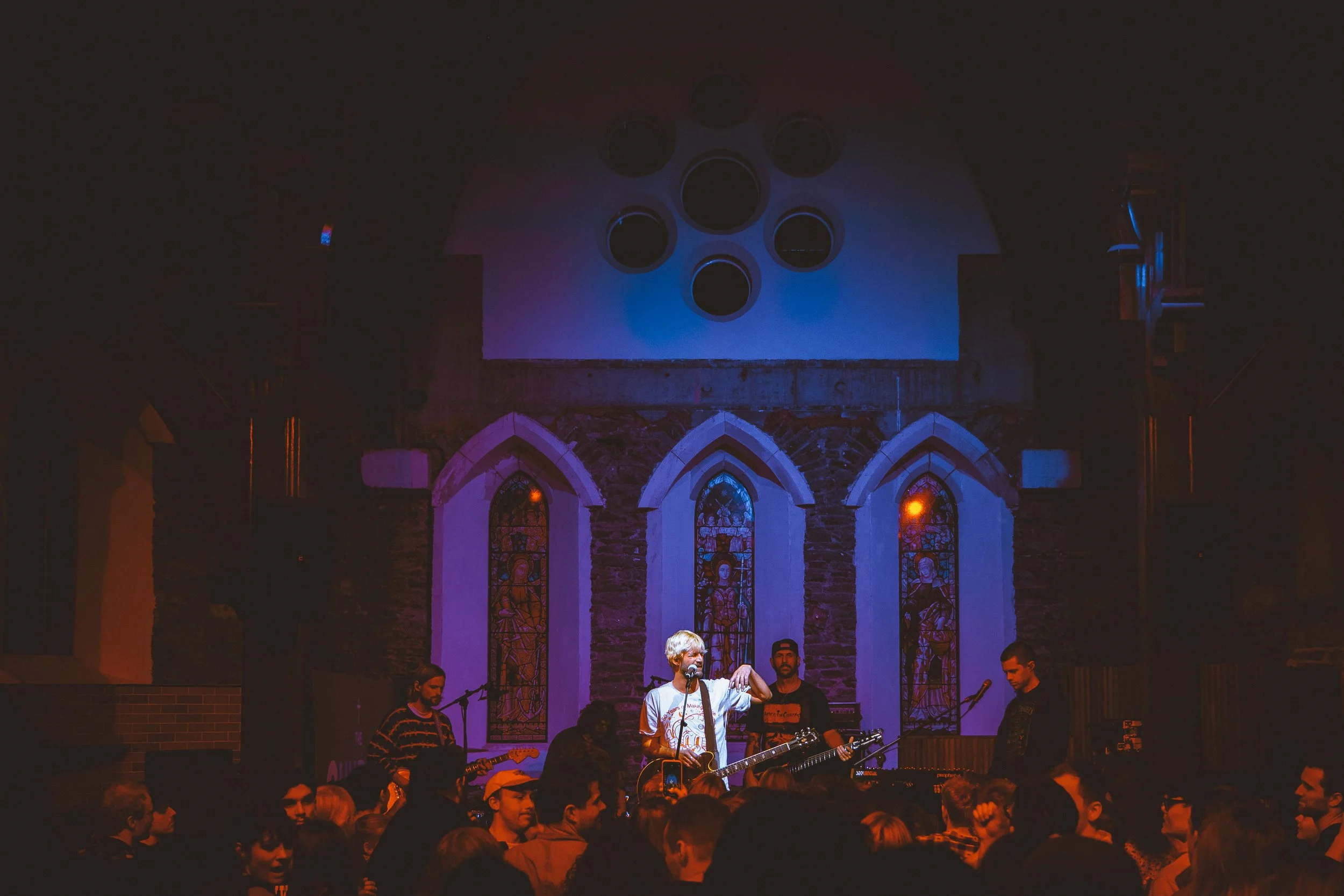
St Michael and All Angels is a Heritage New Zealand Category I Anglican church at 84 Oxford Terrace, Christchurch, designed by William Fitzjohn Crisp and consecrated in 1872. One of the largest timber Gothic Revival churches in the Southern Hemisphere, it survived the 2011 earthquakes intact and has served as a concert venue for Lawrence Arabia, Andrew Keoghan, Anika Moa, Boh Runga, Hollie Smith, Marlon Williams, and Holly Arrowsmith.
RDU 98.5FM is Christchurch's independent alternative radio station, founded on 23 February 1976 as Radio U under the University of Canterbury Students' Association. It became the first FM station in Christchurch in 1986 as UFM, and rebranded as RDU 98.5FM in 2002. Controversially privatised in 2006 when sold to James Meharry and Karyn South for $2, the station survived the 2011 Christchurch earthquakes by broadcasting from a converted horse truck, and moved to its permanent home in the Boxed Quarter in 2015. In 2026 RDU marks its 50th anniversary as a cornerstone of Christchurch's independent music culture.
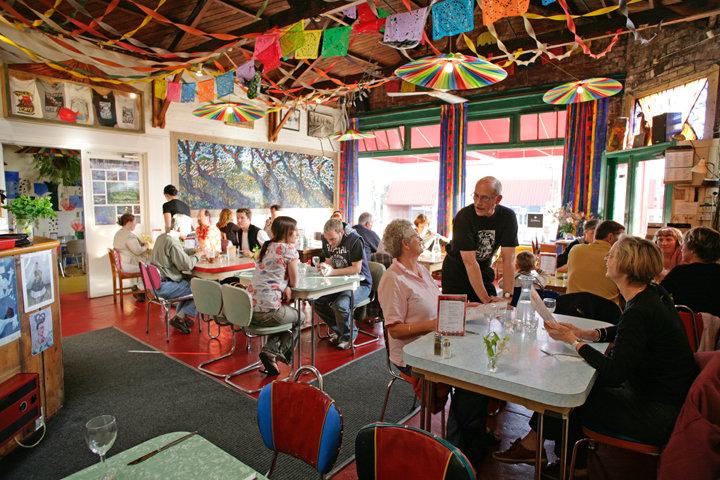
Cafe and bar at 42 London Street in Lyttelton, run by Lois Ogilvie and Pete Llewellyn Evans from 1988 until the 2011 earthquakes. A creative hub for Lyttelton's arts community — painter Bill Hammond designed the iconic 1994 LAVA poster for the venue.
George FM is a New Zealand dance and electronic music radio station founded in 1998 by brothers Thane and Richard Kirby from a spare bedroom in Grey Lynn, Auckland. Starting as a volunteer-run low-power FM station, it went city-wide in 2001 through a partnership with the Manukau Urban Māori Authority, became commercial in 2003, and was acquired by MediaWorks in 2009. Now broadcasting nationally — including on 95.3FM in Christchurch — George FM is New Zealand’s leading dance radio brand, drawing around 202,000 weekly listeners with a presenter-led format that gives DJs full control over their music selection.
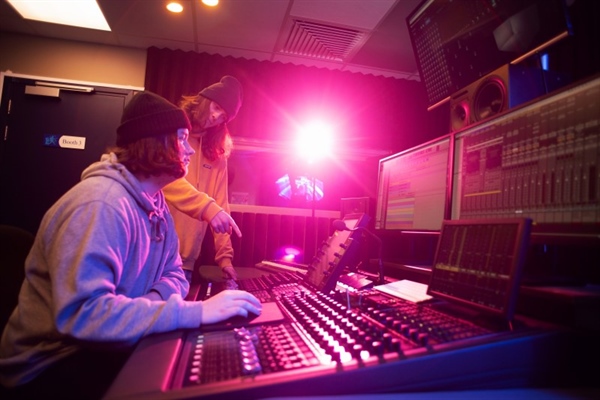
The Music and Audio Institute of New Zealand — MAINZ — operated in Christchurch from 2002, training audio engineers, live sound technicians and electronic music producers at its High Street campus. Alumni include Joel Little, The Naked and Famous and Gin Wigmore. Its programmes transferred to Ara Institute of Canterbury on 1 January 2026.
C93FM was a Christchurch independent FM radio station that broadcast on 92.9MHz from 1986 to 2001. Founded as a classic rock station, it passed through several formats — 93FM Gold, Classic Hits, Adult Contemporary — before closing in April 2001. Its most significant contribution to New Zealand music was the 1988 Rockquest, a local band competition conceived by station employee Ron Kjestrup that grew, under new organizers, into the national Smokefreerockquest.
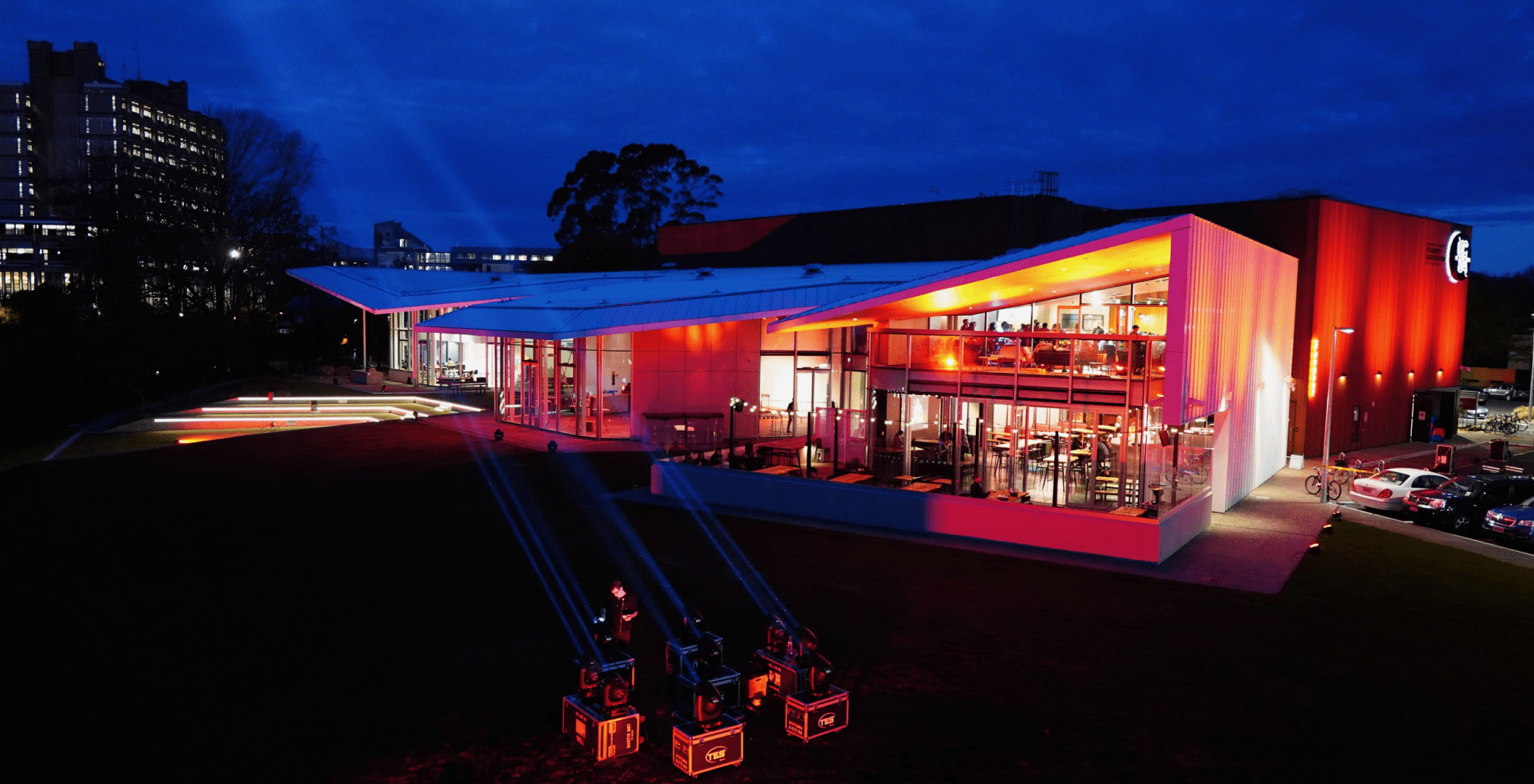
The Foundry is Canterbury University's live music venue, operating at 90 Ilam Road in Ilam since the 1970s. After the 2010 earthquakes closed the original student union building, The Foundry ran from a beloved carpark temporary venue for eight years — hosting acts including Savage, Hilltop Hoods, Machine Head, and Dead Kennedys — before settling into the new $27 million Haere-roa building in 2019.
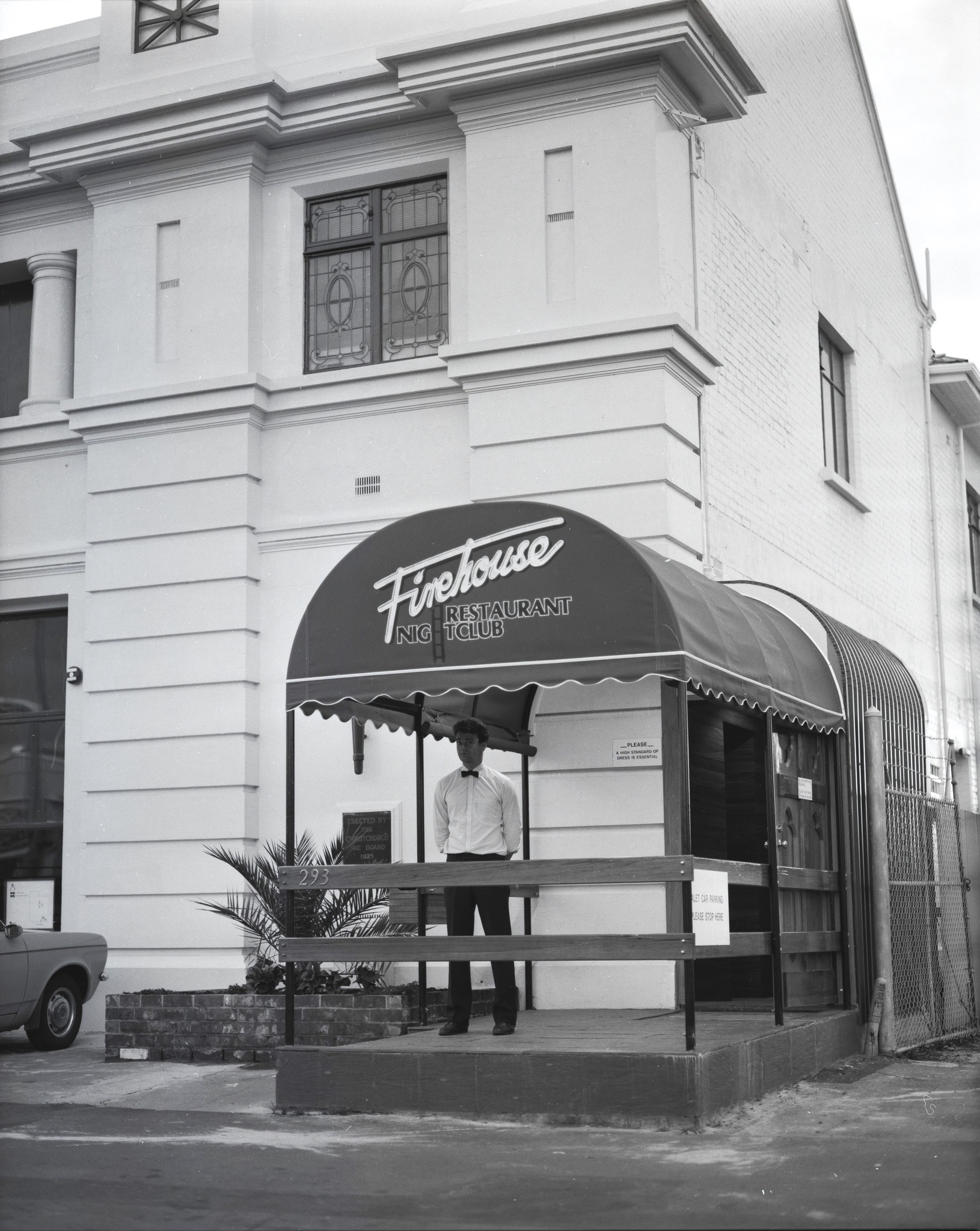
The former Sydenham Fire Station at 293 Colombo Street had two lives as a music venue: Wayne Manor from 1979, hosting Christchurch's early punk and post-punk scene in a BYO cavernous station space, and The Firehouse Nightclub from 1985 — a more polished club that survived a bomb attack and a gunman before ironically being destroyed by fire around 1990.
The building at 124 Worcester Street was designed by Benjamin Woolfield Mountfort and opened in 1875 as Trinity Congregational Church, whose congregation included suffragist Kate Sheppard. Converted to the State Trinity Centre in 1975 — a theatre, bar and restaurant — it hosted The Axemen's landmark recording session for Three Virgins before earthquake damage in 2011 closed it for over a decade. It reopened in 2023 as The Church Brew Pub, retaining Mountfort's famous double barrel vault ceiling.