Long before Robert Scott became known as the bassist in The Clean or the songwriter behind The Bats, he was making music in the most DIY way imaginable: with his family. Scott formed Electric Blood in 1978 alongside his brother Andrew and a shifting circle of neighbourhood kids — including members of the McKerracher and Tomkins families — fashioning drum kits out of cardboard boxes and saucepans and recording homespun music to tape, often in a single day at a Dunedin rehearsal space. Electric Blood would remain a loose family-and-friends collective for decades, eventually making their first public live appearance in March 1985, with Robert’s archive of tapes becoming an unlikely document of Dunedin domestic life running parallel to the city’s more famous musical movements.
When The Clean disbanded in 1982, Scott found himself in Christchurch on unemployment benefits, with stacks of doodles, comics and short stories accumulating around him. Out of this came Every Secret Thing (EST) — simultaneously a photocopied fanzine and a cassette label, and one of the most significant DIY operations in New Zealand underground music. The fanzine came first: 12-page photocopied issues packed with comic strips, short stories and music reviews, selling for 60 cents to a dollar. It ran to 13 issues before the demands of The Bats and The Clean’s reformation curtailed production. The cassette label followed in 1983, with Scott recording tapes using a ghetto blaster microphone and dubbing copies in real-time on a double-deck machine, pricing them at $3 to $6.50 depending on cassette length. The first Electric Blood tape, Ohio, appeared on EST that year.
EST would eventually release close to 40 tapes — a catalogue that reads now as an extraordinary index of who was who in the South Island underground. Releases included early material by Wreck Small Speakers on Expensive Stereos (Michael Morley), recordings featuring Denise Roughan (later of Look Blue Go Purple and the 3Ds), and the 1983 compilation Songs From the Lowland (EST2), co-released with Wreck Records, which included the earliest Bats recordings. Scott’s total estimated output across the entire EST catalogue was around 200 copies. When he relocated back to Dunedin in 1984, EST moved with him to a St David Street flat shared with Morley, Bruce Russell, and Alastair Galbraith — the same household that incubated the early version of The Weeds (initially called Pink Plastic Gods, later adding Shayne Carter). EST received its first significant international recognition in 1988, when critic Byron Coley reviewed six releases in Forced Exposure magazine.
Scott had in fact already entered the Flying Nun orbit before EST began: he joined The Clean in April 1980 as bassist, succeeding Peter Gutteridge alongside David and Hamish Kilgour. The band’s early singles — Tally Ho!, Platypus, Anything Could Happen — became definitive texts of the Dunedin Sound and established Flying Nun as a label of international significance. The Clean would break up and reform repeatedly over the following decades, with Scott remaining a constant presence through each iteration.
We basically captured the sound of the band playing live in a good sounding room.
Robert Scott, Perfect Sound Forever, 2012
When The Clean first disbanded in 1982, Scott began writing songs and playing guitar for the first time. His flatmate Kaye Woodward — an aspiring guitarist — began adding her own parts, and when the pair moved into the same flat as drummer Malcolm Grant and bassist Paul Kean, The Bats were born. Where The Clean operated with noise, abstraction and nervous energy, The Bats pursued a warmer, more melodic path — Scott’s gentle folk sensibility shaping the band’s distinctive jangle pop. The Bats became his primary creative vehicle through the late 1980s and 1990s, releasing a string of albums on Flying Nun that cemented his reputation as one of New Zealand’s most consistent songwriters.
Between 1991 and 1997, Scott also fronted The Magick Heads, a project conceived with 3Ds members David Mitchell and David Saunders as a vehicle for the striking voice of Jane Sinnott. Initial funding from the QEII Arts Council listed them as Jane and the Magick Heads. The band released their debut album Before We Go Under and two further records on American label Dark Beloved Cloud before disbanding in 1997.
Scott released his official solo debut The Creeping Unknown on Flying Nun Records in 2000, taking the album’s name as a touring moniker for subsequent shows around New Zealand, Europe and the United States. Darker and more electronic in texture than his Bats work, it drew comparisons to the more experimental end of the Flying Nun catalogue. From 2002 Scott became increasingly prolific, releasing a stream of home-recorded material on the low-key Powertool Records, collaborative recordings with Gina Rocco, and a 2010 album Ends Run Together on Flying Nun. He lives in Port Chalmers — ten minutes from Dunedin, between the hills and the harbour — where he co-owns the Pea Sea Art gallery and continues to paint cover art for Flying Nun releases in his distinctive comic-realist style.
Bandcamp
Discography
- More Than Meets the Eye LP (1993, self-released)
- Black Forest Single (1998, self-released) with Alastair Galbraith
- The Creeping Unknown LP (2000, Flying Nun Records, FN447)
- Tudor Gates EP (2002, self-released)
- @Radio One EP (2003, self-released)
- Songs of Otago’s Past EP (2004, Powertool Records)
- Tascam Hits LP (2004, Powertool Records, PT065)
- Moonlight Potato LP (2006, Powertool Records, PT044) with Gina Rocco
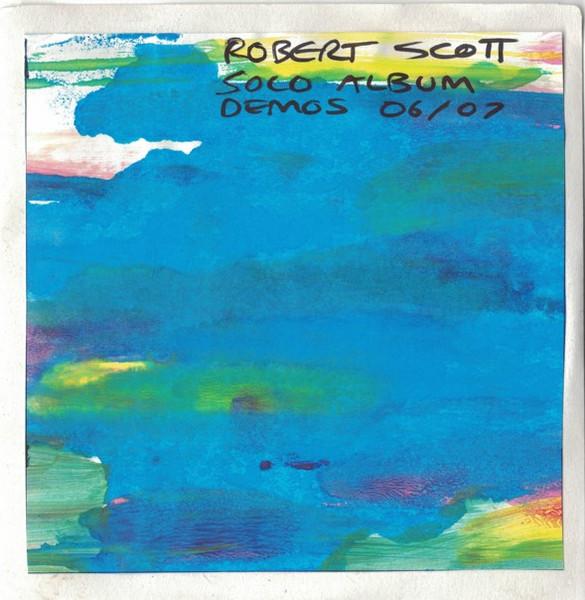
- Solo Album Demos 06/07 LP (2009, self-released)
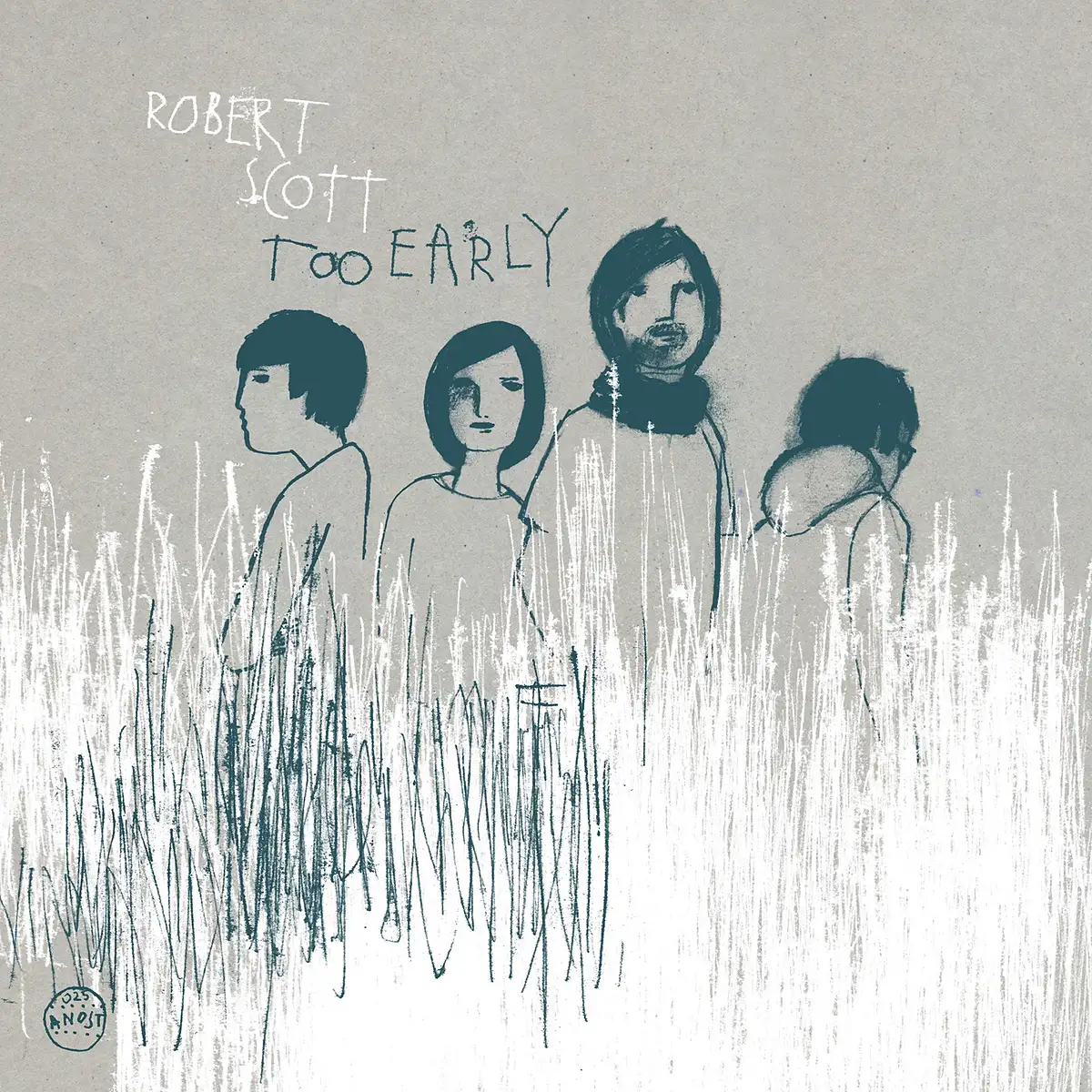
- Too Early Single (2010, A Number of Small Things)
- That’s What I Heard Single (2010, Fishrider Records) with Adalita Srsen and The Puddle
- Ends Run Together LP (2010, Flying Nun Records, FN507)
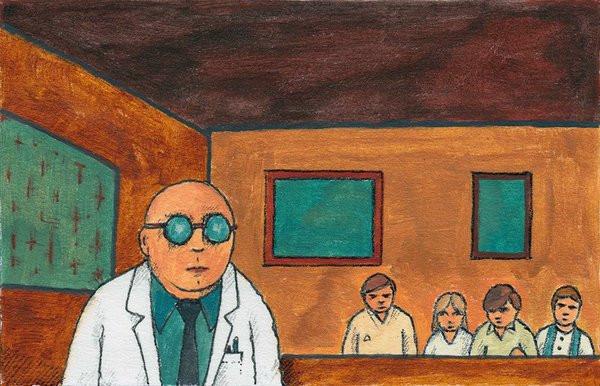
- The Professor and the Team EP (2014, Selection Records)
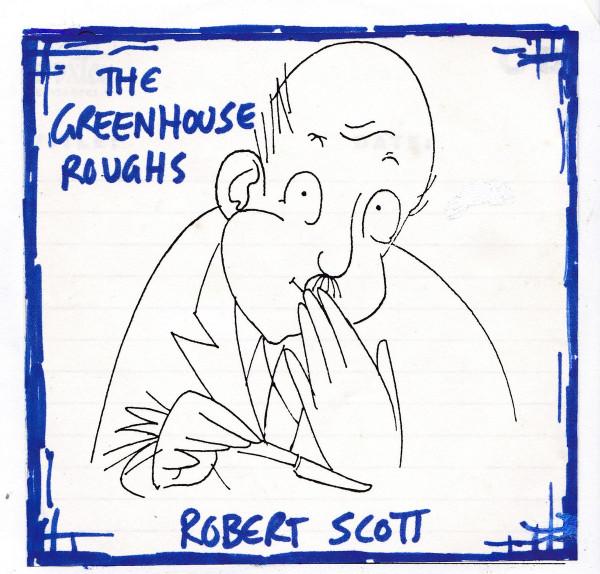
- The Greenhouse Roughs LP (2017, self-released)