Also known as: St Michael’s Church; The Church of St Michael and All Angels
Location: 84 Oxford Terrace (corner of Durham Street), Christchurch Central
Current status: Open
Active as a concert venue: 2010s–present
History
Standing at the corner of Oxford Terrace and Durham Street beside the Avon River, the Church of St Michael and All Angels is one of Christchurch’s most recognisable landmarks and one of the finest examples of timber Gothic Revival ecclesiastical architecture in the Southern Hemisphere. It has also served, quietly and without ceremony, as one of the city’s more remarkable acoustic concert venues — a sanctuary of mataī and matai pine with acoustics warm enough to make an intimate show feel like an event.
The site has been a place of Anglican worship since 1851, when Canterbury Association settlers first gathered in a makeshift V-hut on the same ground. That original structure was so low that parishioners risked hitting their heads on the rafters. Henry Jacobs preached the first sermon there in July 1851, and St Michael’s served as the Anglican pro-cathedral until ChristChurch Cathedral was completed in 1881.
The cornerstone of the present building — the third church on the site — was laid on the Feast of St Michael and All Angels, 29 September 1870. It was designed by William Fitzjohn Crisp in a style combining elements of French fourteenth-century Gothic with English Medieval, and consecrated in May 1872. When Crisp returned to Britain in 1871 before the work was complete, Frederick Strouts (1834–1919) was appointed supervising architect and oversaw the building to completion. The chancel was finished in 1874–75.
The choice of timber over stone was deliberate. After a significant earthquake in 1869, the building committee decided that mataī (native black pine) should be the material, rather than risk the fate of stone structures in a seismically active region. The decision proved wise: when the Canterbury earthquakes of 2010–11 struck, the wooden church survived almost unscathed — the only Anglican church in the central city to remain in use through the post-quake years. The massive pipe organ, a Henry Bevington and Sons instrument installed in 1873 and enlarged in 1895–96, was damaged in the February 2011 earthquake and removed for repair. It was reinstalled with improvements by the South Island Organ Company in 2013, at a cost of NZ$500,000, restoring one of the finest church organs in New Zealand.
The church is constructed entirely of mataī timber on rubble stone foundations and is one of the largest timber Gothic Revival churches in the Southern Hemisphere. Its cruciform plan features a central nave flanked by two side aisles, with pillars carved from single trees supporting nave arches and enormous tie-beams. The only structural alteration since 1872 was the removal of a tie-beam and secondary arch in 1896 to improve sightlines to the east window. The interior holds one of the finest collections of Victorian and Edwardian memorial stained glass in New Zealand, the work of leading English firms of the day.
The freestanding belfry — a Christchurch landmark in its own right — was designed by pre-eminent Gothic Revival architect Benjamin Woolfield Mountfort and erected in 1861. It houses a bell brought out on one of the Canterbury Association’s first four ships in 1850. That bell was the settlement’s first timepiece, rung every hour of daylight to mark time for the settlers, and it is still rung for services today. Both the church and the belfry are registered separately as Heritage New Zealand Category I historic places, the highest level of heritage recognition in Aotearoa.
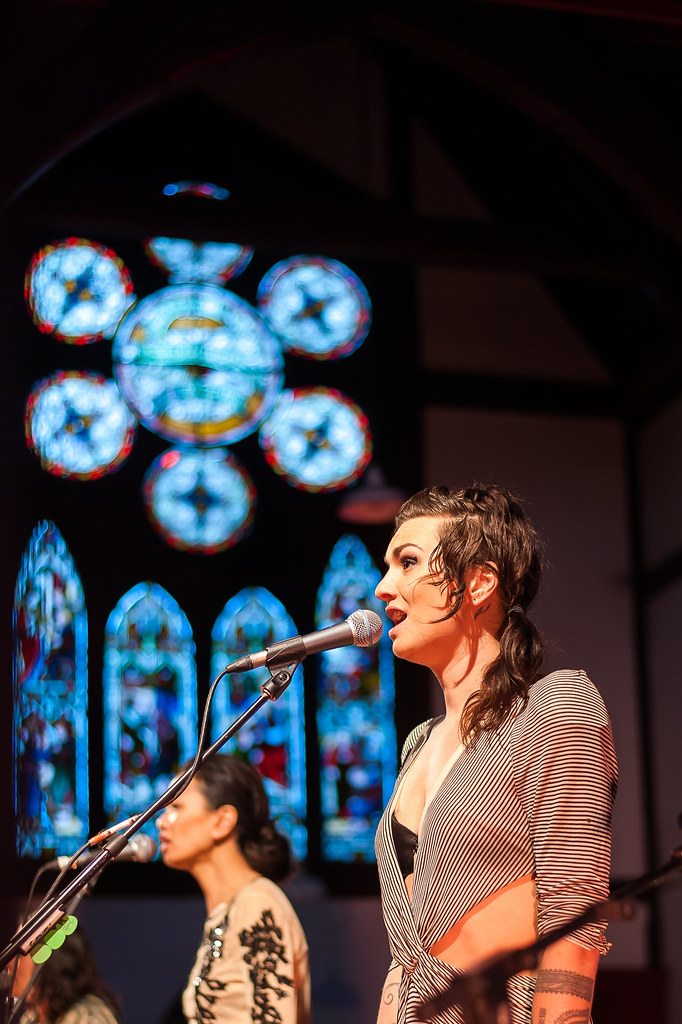
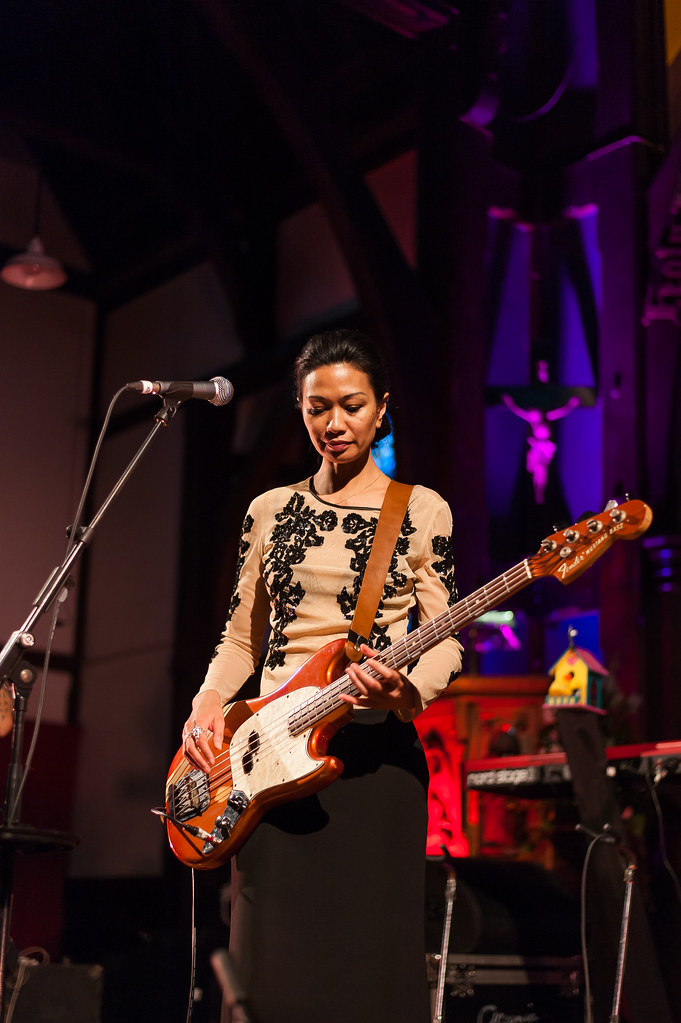
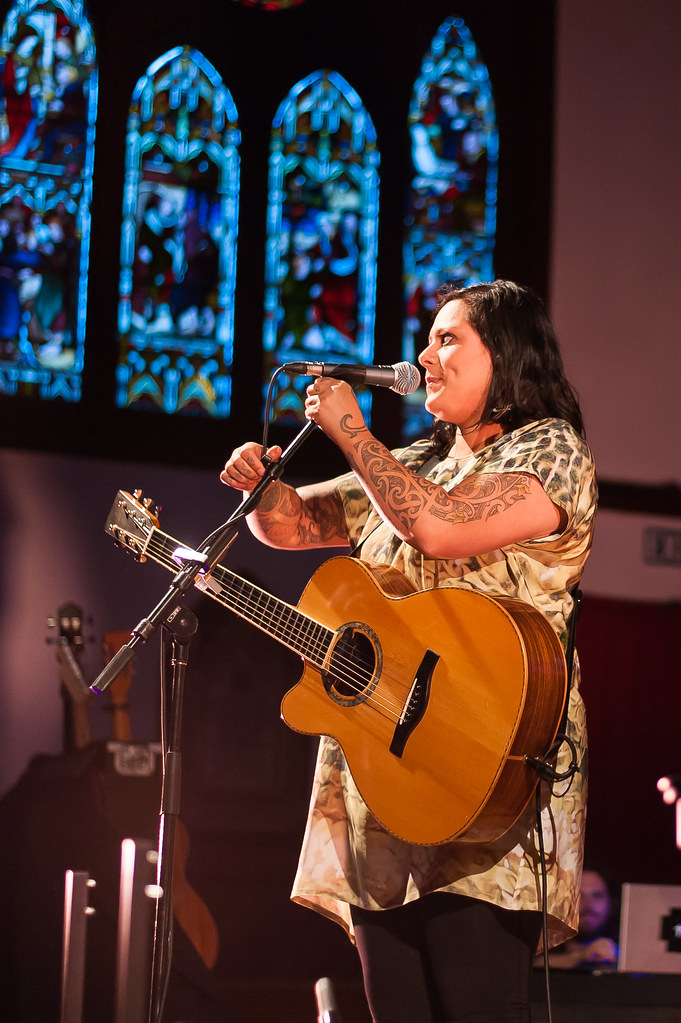
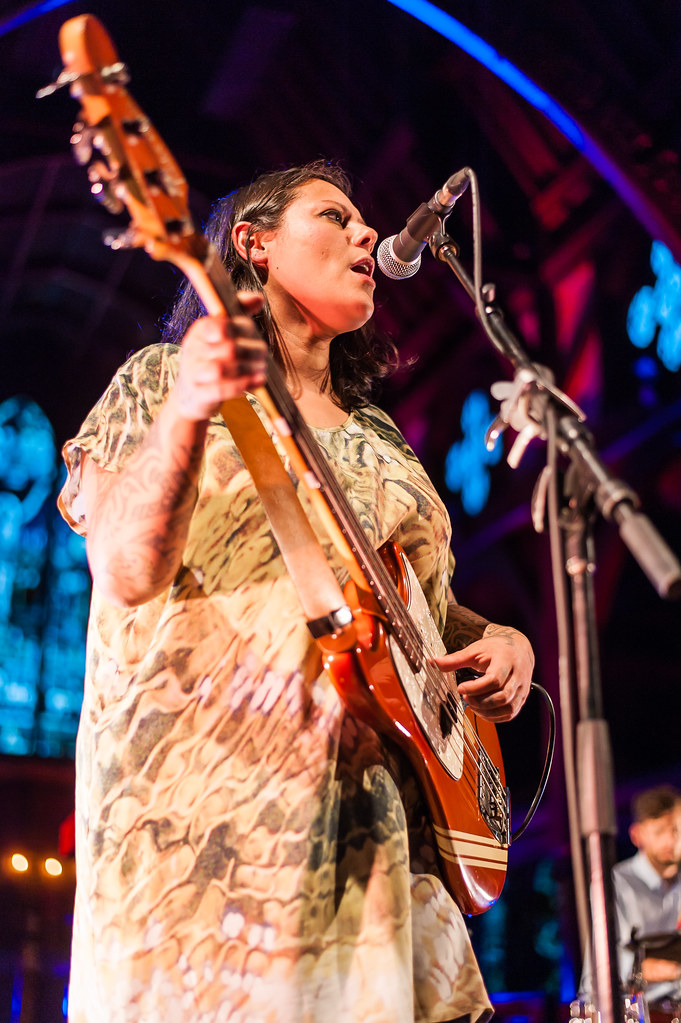
As a concert venue, St Michael’s offers something few spaces in Christchurch can match: extraordinary acoustics in a visually arresting room, with the warm resonance of aged timber and the play of coloured light through Victorian glass. The post-earthquake period, when so many of the city’s traditional music venues were closed or demolished, saw the church take on added significance as a performance space. Acts who have played there include Lawrence Arabia, Andrew Keoghan, Anika Moa, Boh Runga, Hollie Smith, Marlon Williams, and Holly Arrowsmith — a cross-section of New Zealand’s finest acoustic performers drawn by the room’s singular character. Classical ensembles including the New Zealand String Quartet, Michael Houstoun, the Garden City Orchestra, and international touring orchestras have also performed there.
In the years immediately after the 2011 earthquakes, as Christchurch musicians and promoters scrambled to find places to play, St Michael’s represented a rare continuity — a beautiful, intact, centrally located venue that had not only survived but remained fully functional. Its location beside the Avon River, in the heart of the slowly recovering central city, gave concerts there a particular resonance during a period of profound civic disruption.
St Michael’s is a prime example of the Gothic style superbly translated into timber — one of the largest timber Gothic Revival churches in the Southern Hemisphere, and a building of outstanding heritage significance for Christchurch and New Zealand.
Heritage New Zealand, Heritage List Listing #294