Plains FM (later Plains Media) has broadcast on 96.9FM from Christchurch's Ara campus since 29 February 1988, serving Canterbury as one of New Zealand's twelve community access radio stations. Governed by the Canterbury Communications Trust and part-funded by NZ On Air, it produces over 100 programmes a week in 15 languages, representing communities largely absent from mainstream media. In April 2025, after 37 years, the station rebranded as Plains Media to reflect its expanded reach across digital platforms.
CRY TV was New Zealand's first dedicated music television channel, broadcasting on UHF 56 from the Port Hills above Christchurch between July 1993 and April 1997. Founded by Christian Birch and Chris Clarkson, it pre-dated Auckland's MAX TV by three months and launched the careers of Petra Bagust, Jason Fa'afoi, Francesca Rudkin, D'Arcy Waldegrave, and Dave Yetton (Jean-Paul Sartre Experience), who met Jason Fa'afoi at the station and went on to form The Stereo Bus.
Auckland emo/pop-punk duo Nicole Gaffney and James Stuteley toured seventeen times around New Zealand and fifteen times through Australia over twelve years, releasing three LPs of mathy, heartfelt punk before calling it a day in 2024.
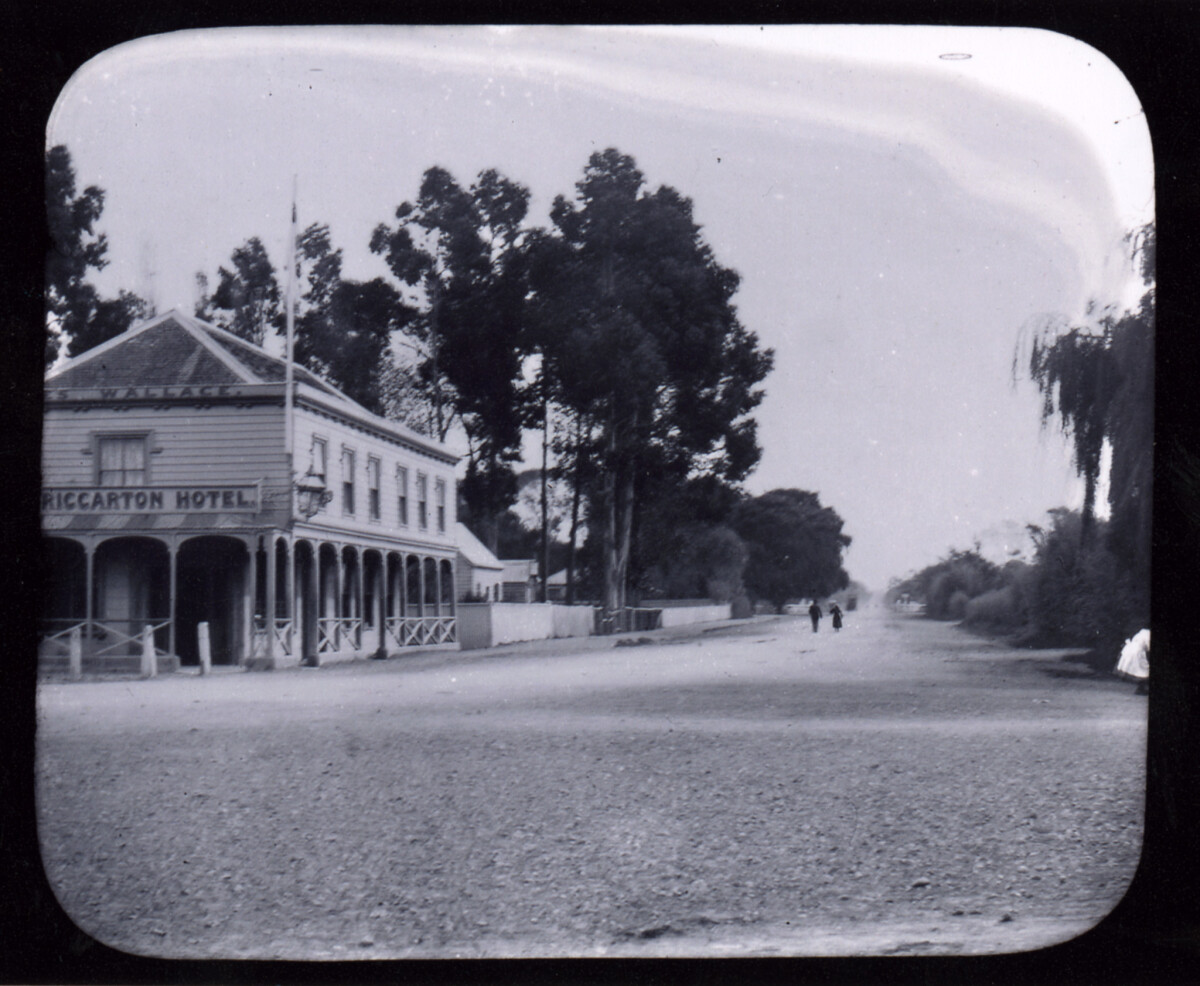
One of Christchurch's oldest licensed premises, the Riccarton Hotel on the corner of Riccarton Road and Deans Avenue can trace its origins to an 1853 Canterbury Almanack advertisement for "The Traveller's Home." Over 150 years it traded as the Plough Inn, the Riccarton Hotel, DB Riccarton, and — most memorably — Nancy's, named for the beloved publican Annie (Nancy) Hancock who ran it from 1930 until the 1960s. In its final chapter it became the Fat Ladies Arms student bar before being demolished and replaced by a fast food restaurant.
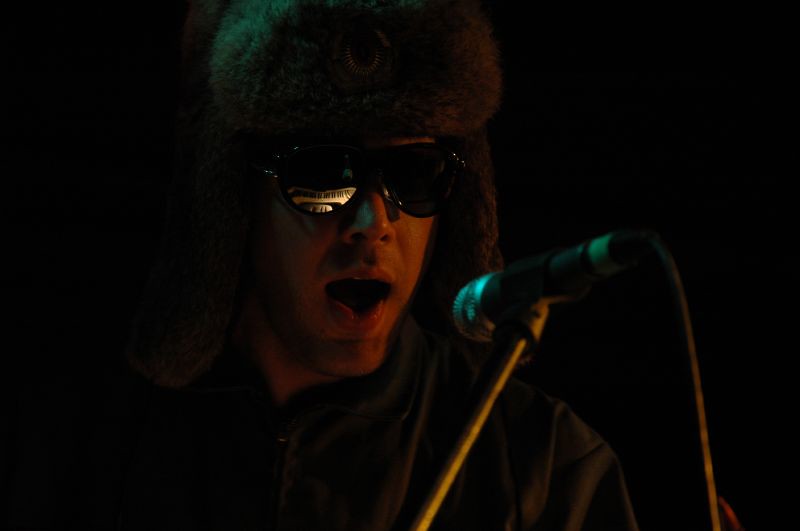
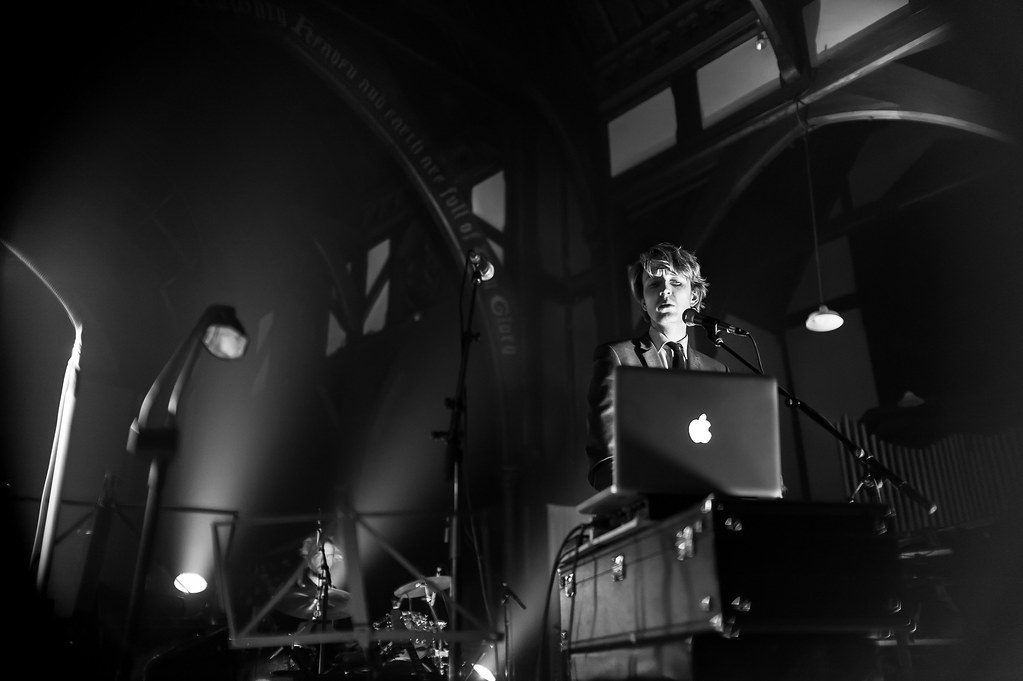
FLASHBACK TO 7 October 2006 with Not So Experimental, Ed Muzik, and Tiger Tones at Dux De Lux. A tremendous show of local acts stepping up and delivering catchy, engaging performances.
The Aranui Tavern at 317 Pages Road was a working-class pub in Christchurch's eastern suburbs that became one of the city's most significant live music rooms from the mid-1970s through the 1980s. Bon Marché and The Newz held a three-year residency from 1978 to 1981, nurturing emerging acts including Pop Mechanix and the Dance Exponents — whose own Aranui residency led directly to their Mushroom Records signing in 1982.
FLASHBACK TO 18 November 2006 with Die! Die! Die!, Tiger Tones and Not So Experimental at the Media Club. Dunedin noise-punk trio Die! Die! Die! headlined fresh from an international touring cycle behind their Steve Albini-recorded debut, supported by two newly formed Christchurch acts who would each make their mark on the local scene in the years ahead.
RDU 98.5FM is Christchurch's independent alternative radio station, founded on 23 February 1976 as Radio U under the University of Canterbury Students' Association. It became the first FM station in Christchurch in 1986 as UFM, and rebranded as RDU 98.5FM in 2002. Controversially privatised in 2006 when sold to James Meharry and Karyn South for $2, the station survived the 2011 Christchurch earthquakes by broadcasting from a converted horse truck, and moved to its permanent home in the Boxed Quarter in 2015. In 2026 RDU marks its 50th anniversary as a cornerstone of Christchurch's independent music culture.
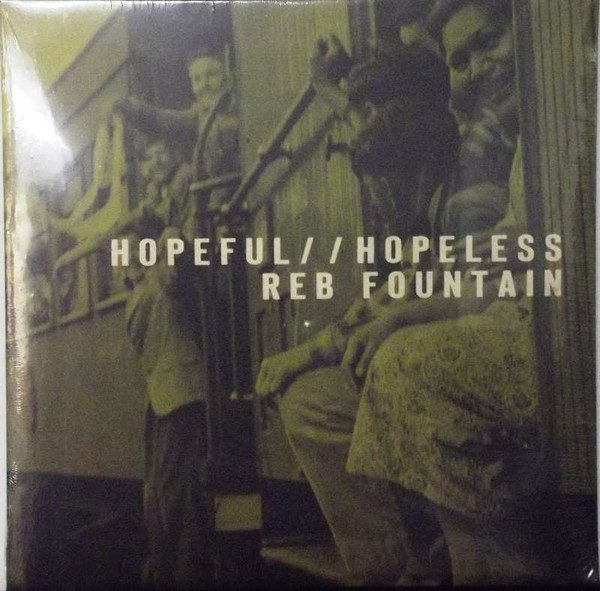
Reb Fountain is an American-born New Zealand singer-songwriter raised in Christchurch, blending folk, country and pop-rock across a career that spans three decades, most notably winning the 2021 Taite Music Prize with her Flying Nun Records debut Reb Fountain.
George FM is a New Zealand dance and electronic music radio station founded in 1998 by brothers Thane and Richard Kirby from a spare bedroom in Grey Lynn, Auckland. Starting as a volunteer-run low-power FM station, it went city-wide in 2001 through a partnership with the Manukau Urban Māori Authority, became commercial in 2003, and was acquired by MediaWorks in 2009. Now broadcasting nationally — including on 95.3FM in Christchurch — George FM is New Zealand’s leading dance radio brand, drawing around 202,000 weekly listeners with a presenter-led format that gives DJs full control over their music selection.
C93FM was a Christchurch independent FM radio station that broadcast on 92.9MHz from 1986 to 2001. Founded as a classic rock station, it passed through several formats — 93FM Gold, Classic Hits, Adult Contemporary — before closing in April 2001. Its most significant contribution to New Zealand music was the 1988 Rockquest, a local band competition conceived by station employee Ron Kjestrup that grew, under new organizers, into the national Smokefreerockquest.
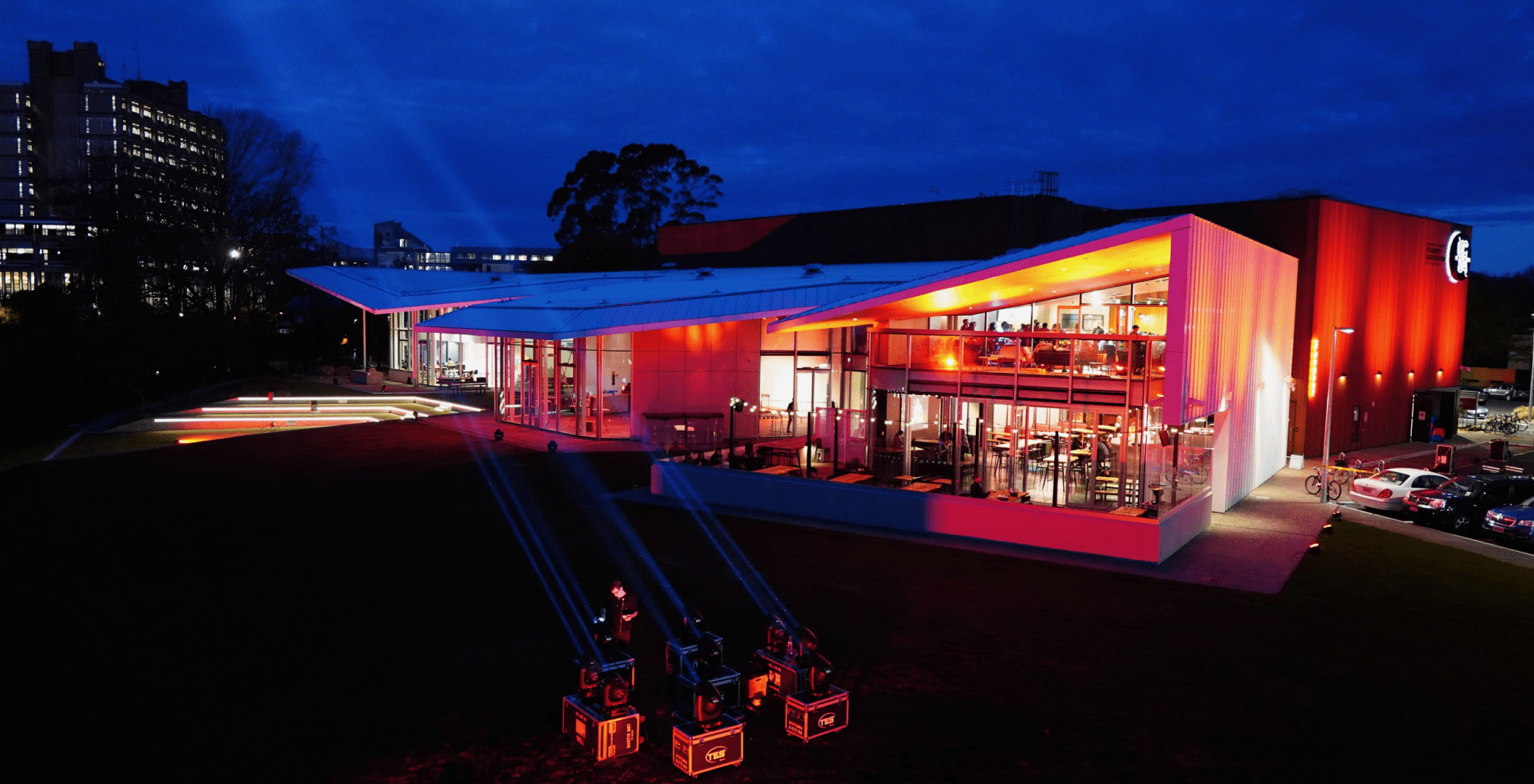
The Foundry is Canterbury University's live music venue, operating at 90 Ilam Road in Ilam since the 1970s. After the 2010 earthquakes closed the original student union building, The Foundry ran from a beloved carpark temporary venue for eight years — hosting acts including Savage, Hilltop Hoods, Machine Head, and Dead Kennedys — before settling into the new $27 million Haere-roa building in 2019.
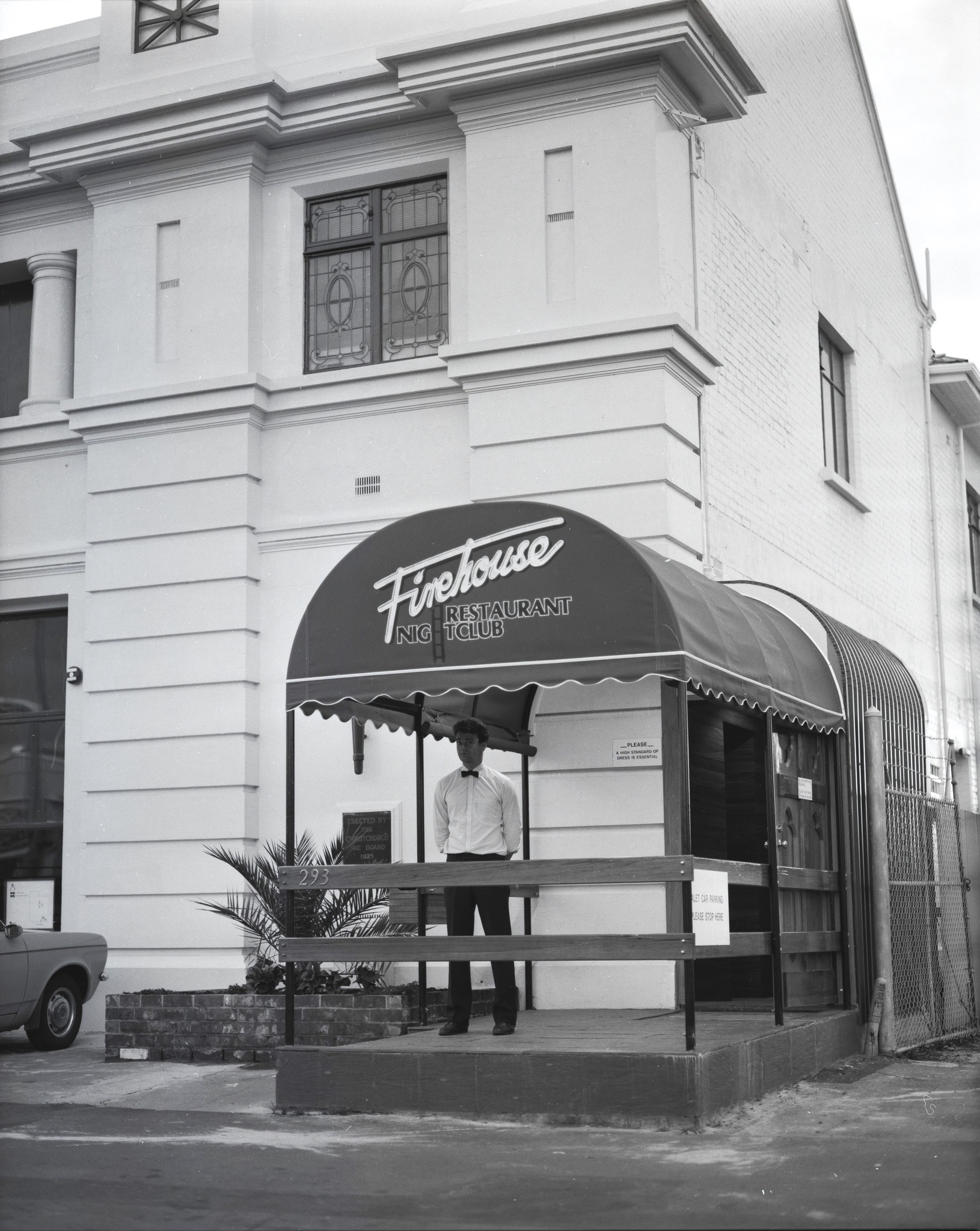
The former Sydenham Fire Station at 293 Colombo Street had two lives as a music venue: Wayne Manor from 1979, hosting Christchurch's early punk and post-punk scene in a BYO cavernous station space, and The Firehouse Nightclub from 1985 — a more polished club that survived a bomb attack and a gunman before ironically being destroyed by fire around 1990.